
The Late Modern Shelf
The modern world promised progress, connection, abundance, and certainty. These novels explore what remained after those promises began to fracture. Across fading empires, collapsing institutions, mediated realities, spiritual exhaustion, and private lives shaped by forces too large to fully comprehend, the books on this shelf examine what it means to remain human during periods of cultural and civilizational transition. Some are intimate and reflective, others sprawling, satirical, paranoid, or metaphysical — but all are concerned, in one way or another, with how individuals search for meaning inside worlds that no longer feel stable, coherent, or fully knowable.
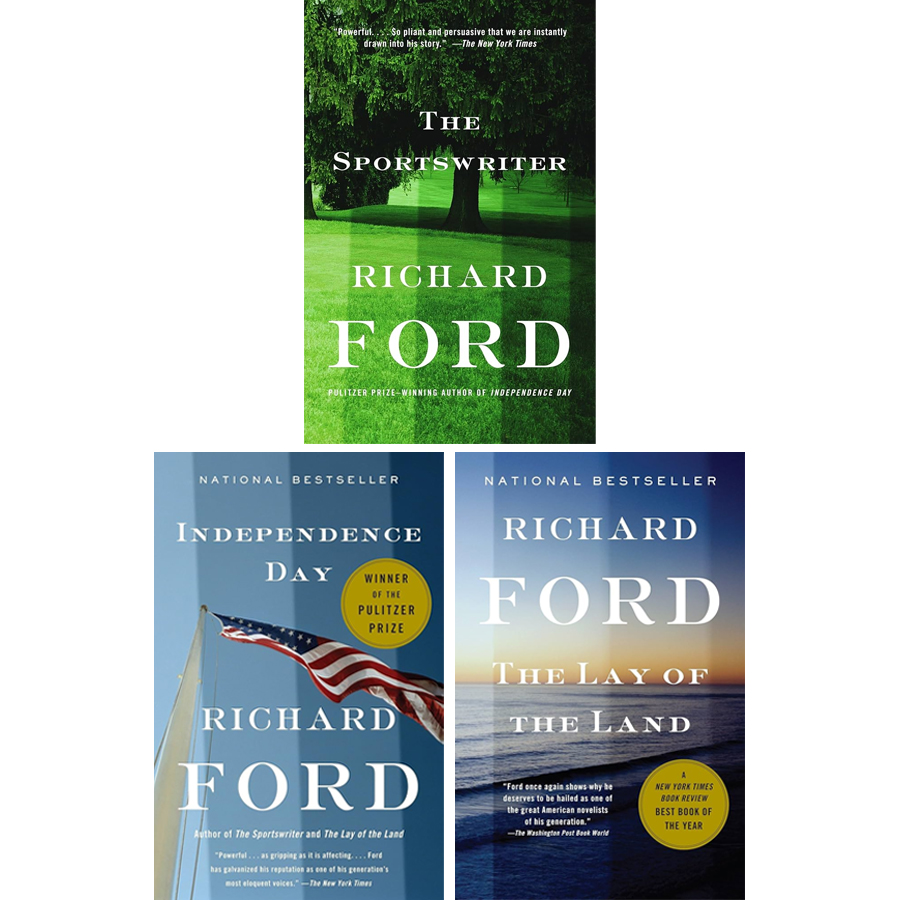
The Bascombe Trilogy, Richard Ford

Across The Sportswriter, Independence Day, and The Lay of the Land, Richard Ford follows Frank Bascombe through decades of American life — through divorce, grief, reinvention, suburban drift, aging, and the slow accumulation of ordinary experience. What emerges is not a sweeping plot so much as a sustained act of observation: of neighborhoods changing shape, relationships settling into uneasy patterns, and a culture increasingly defined by transience, distraction, and emotional distance. Frank moves through late twentieth‑century America with a mixture of detachment, humor, and hard‑earned tenderness, trying to construct a livable life in a world where certainty rarely survives intact. His voice becomes a kind of barometer for the era — registering subtle shifts in mood, the quiet disappointments that accrue over time, and the stubborn hope that meaning might still be found in the everyday.
More than perhaps any other work on this shelf, The Bascombe Trilogy captures the interior texture of the late modern condition: the feeling of living after the collapse of grand narratives, when identity becomes provisional, institutions lose moral authority, and meaning must be assembled from the fragments of daily life. Ford’s genius lies in treating ordinary consciousness with epic seriousness — elevating suburbs, small conversations, private disappointments, and passing moments of grace into something quietly monumental. These are novels about survival without illusion, about endurance without transcendence, and about the fragile dignity of continuing forward even when coherence itself feels uncertain. In Frank’s restless, searching introspection, Ford reveals how a life can be both unremarkable and profound, and how the effort to remain open to the world — despite its failures, despite one’s own — becomes its own form of moral persistence.
So Long, See You Tomorrow, William Maxwell
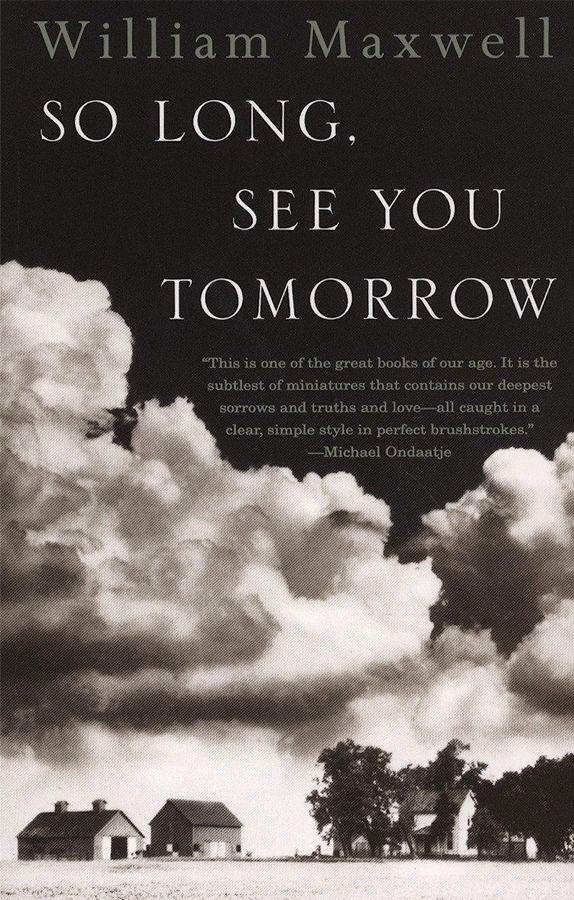
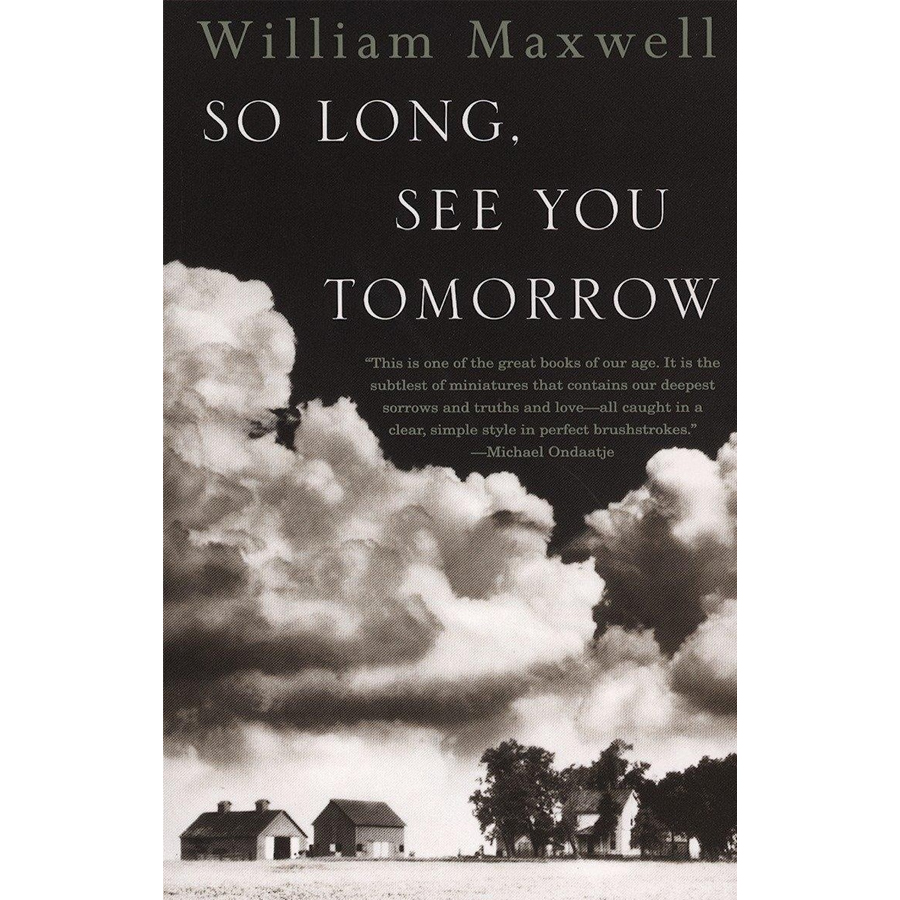
Set against the rural Midwest of the 1920s, So Long, See You Tomorrow begins with a shocking act of violence: a farmer murders his neighbor after an affair between their spouses destroys both families. But William Maxwell’s novel is less concerned with the crime itself than with the fragile emotional aftermath that lingers around it for decades. Told through the recollections of a narrator looking back on his childhood, the book becomes an attempt to reconstruct not only what happened, but what it felt like to live near grief, shame, loneliness, and human misunderstanding without fully comprehending any of it at the time. The story unfolds in a voice marked by hesitancy and regret, as if the narrator is continually circling the edges of a wound he can describe only in approximations. The result is spare, intimate, and quietly devastating — a narrative where silence, distance, and the half‑formed perceptions of childhood carry as much weight as plot.
What makes the novel extraordinary is the way Maxwell transforms memory itself into the subject of the book. The past is never presented as fixed or fully recoverable; instead, it emerges through fragments, revisions, imagined scenes, and emotional conjecture, as though the narrator is building a fragile structure out of what little remains. In doing so, So Long, See You Tomorrow becomes one of the defining novels of interior uncertainty — a meditation on guilt, distance, and the unknowability of other lives, especially those that brushed close to one’s own without ever fully touching. Few books capture so precisely the late‑modern realization that memory is not preservation but reconstruction: an ongoing effort to create coherence from experiences that resist clean understanding. Long after its final pages, the novel lingers not because of the tragedy at its center, but because of its profound sympathy for the imperfect ways human beings try to remember, interpret, and forgive — and for the quiet sorrow of knowing that some distances, once opened, can never be fully closed.
Tender Is The Night, F. Scott Fitzgerald
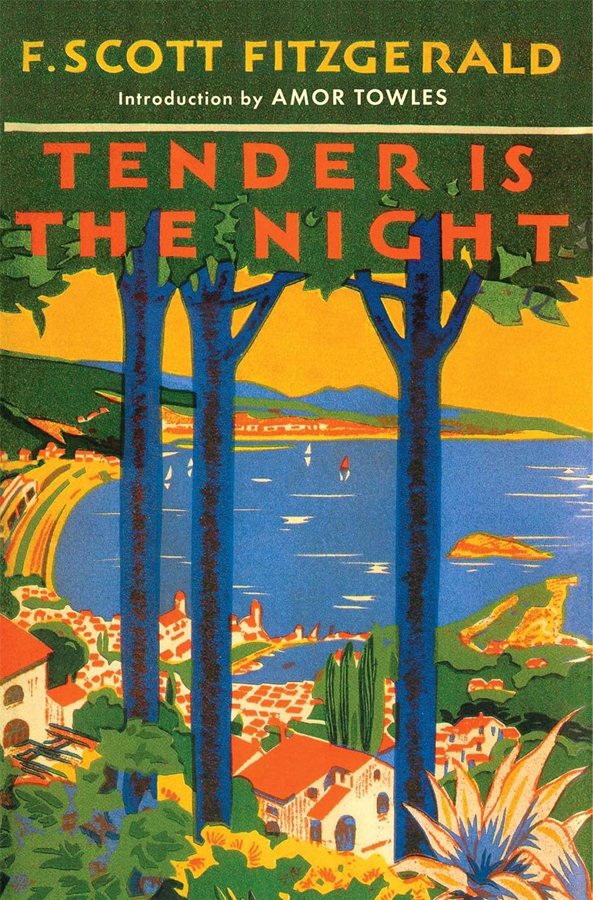
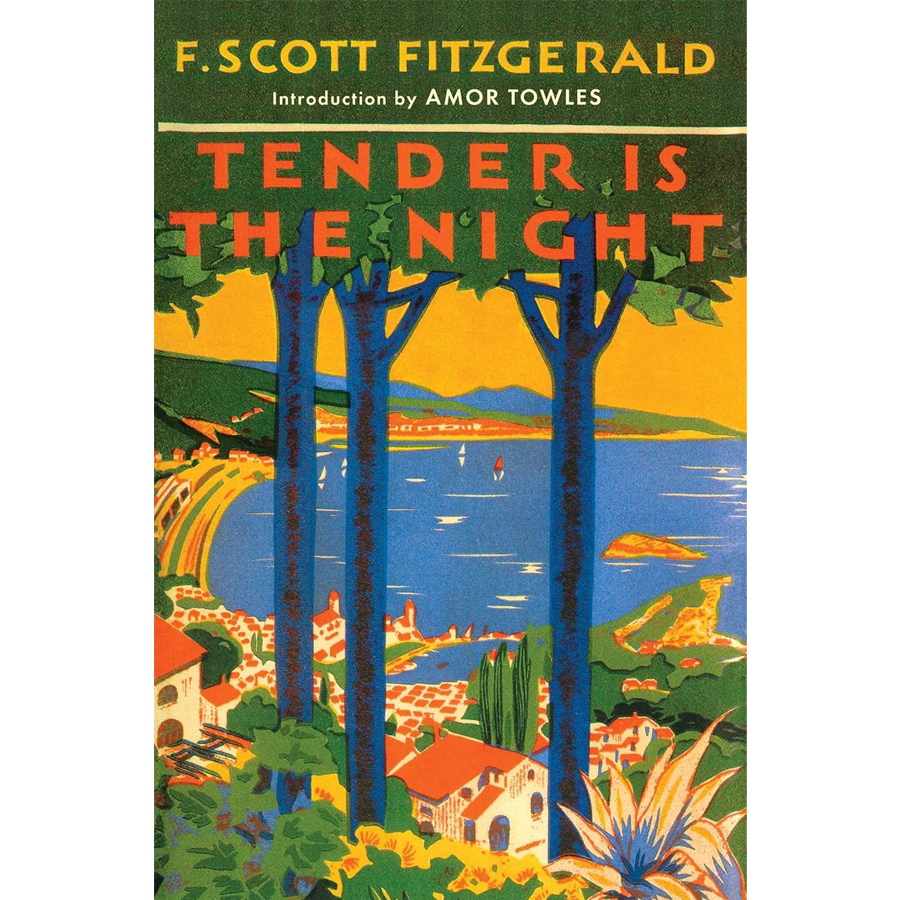
Set along the sun‑struck edges of the French Riviera, Tender Is the Night follows Dick and Nicole Diver, a glamorous American couple whose poise and charm seem to define a new ideal of modern sophistication. Fitzgerald builds the novel around surfaces—radiant parties, effortless elegance, the intoxicating promise of a life lived in perpetual summer—while quietly tracing the fault lines running beneath them. The Divers move through a world saturated with beauty, their presence casting a kind of spell over friends and strangers alike, yet every gesture carries the faint tremor of something unsettled. As their circle expands and contracts, and as Dick’s professional ambitions blur into Nicole’s fragile dependence, the book reveals a world where beauty is both a refuge and a trap, a shimmering façade that cannot hold against the pressures gathering underneath. The Riviera’s brightness becomes a kind of mirage, illuminating the very instability it tries to conceal.
What unfolds is less a story of decline than an anatomy of longing: the desire to preserve a moment of grace, to inhabit a version of oneself that feels coherent, to believe that charm and intelligence can stave off the slow erosion of purpose. Fitzgerald captures the emotional weather of a culture drifting away from its certainties—where privilege masks instability, where intimacy becomes a performance, and where the pursuit of beauty accelerates its own collapse. The novel endures because it understands that the late‑modern condition is not only institutional or historical but deeply personal: the quiet recognition that even the most luminous lives are built on fragile foundations, and that the ache beneath elegance is often the truest thing about it. In the Divers’ unraveling, Fitzgerald reveals how easily radiance turns brittle, and how the longing to remain whole can become its own form of heartbreak.
Soldier of the Great War, Mark Helprin
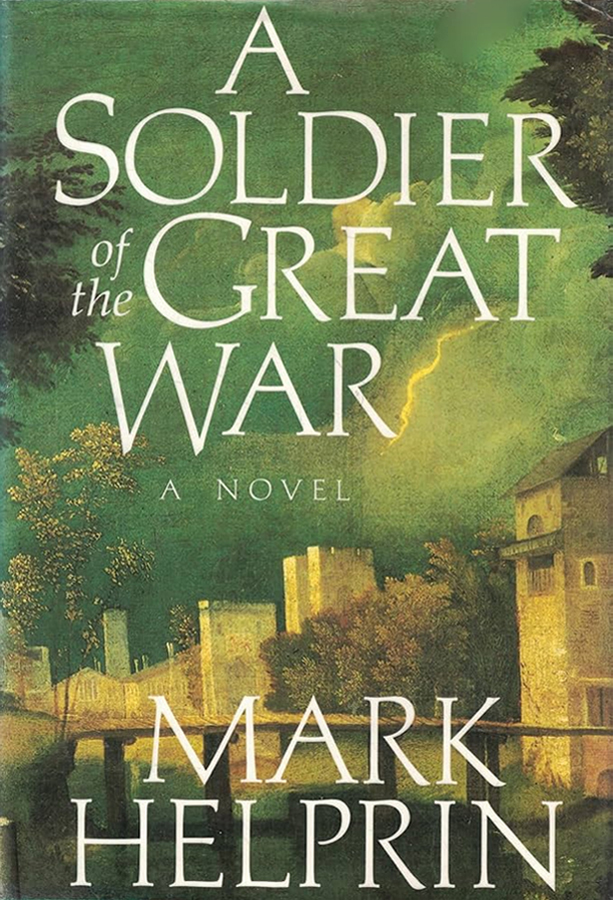
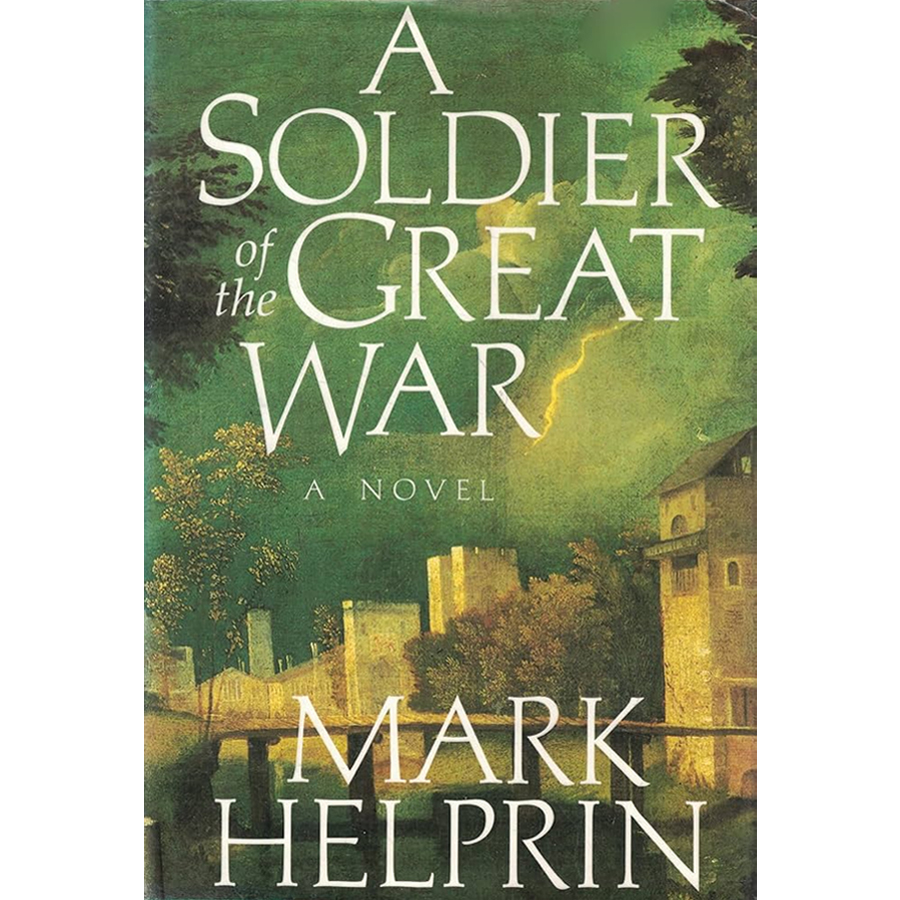
Beginning on a roadside in contemporary Italy, Soldier of the Great War follows the elderly Alessandro Giuliani as he recounts the story of his life to a young factory worker during a long walk through the countryside. What unfolds is both intensely personal and sweeping in historical scope: a journey through love, scholarship, war, imprisonment, loss, and survival during the collapse of early twentieth‑century Europe. Alessandro moves through a world transformed by the First World War, carrying with him the tension between intellectual idealism and the brutal realities history imposes upon ordinary lives. His story is filled with adventure, coincidence, and moments of almost mythic beauty, yet Helprin keeps the narrative grounded in the emotional weight of memory, the stubborn persistence of hope, and the quiet ache of what cannot be restored. The novel becomes a testament to how a single life can absorb the shocks of an era without losing its capacity for wonder.
At its heart, Soldier of the Great War is a novel about how individuals continue living after history has permanently altered the world they believed in. Helprin treats memory not as nostalgia, but as a form of moral preservation — an attempt to hold onto meaning in the aftermath of violence, upheaval, and time itself. The book’s emotional power comes from its insistence that human dignity survives not through triumph, but through persistence: through acts of loyalty, attention, sacrifice, and love that remain meaningful even when history appears indifferent to them. In a shelf defined by dislocation and transition, Alessandro becomes one of its most humane figures — a man carrying the remnants of an older world forward into modernity, refusing to let beauty and memory disappear entirely beneath the weight of the century that replaced them. His life stands as a reminder that endurance, when joined to imagination and compassion, can be its own quiet form of victory.
Angle Of Repose, Wallace Stegner
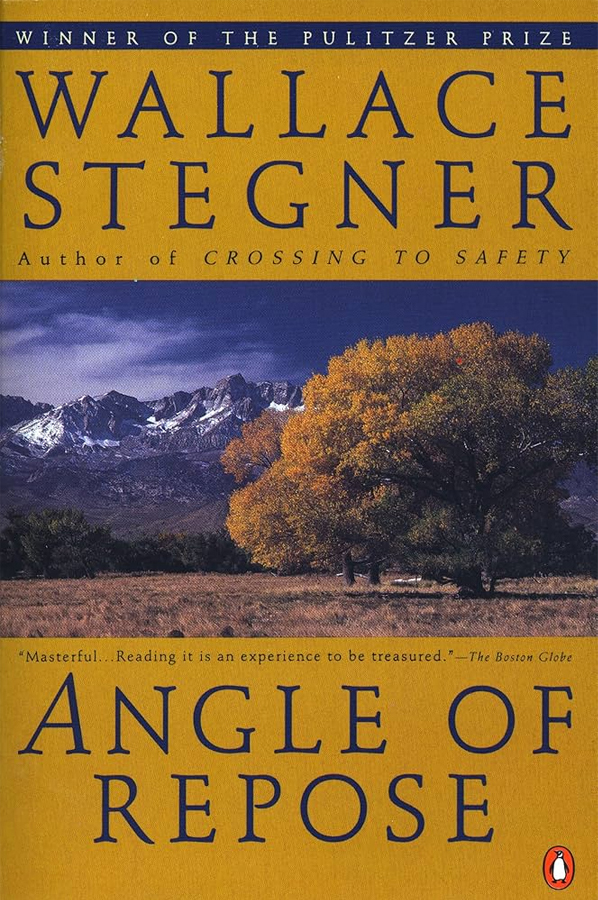
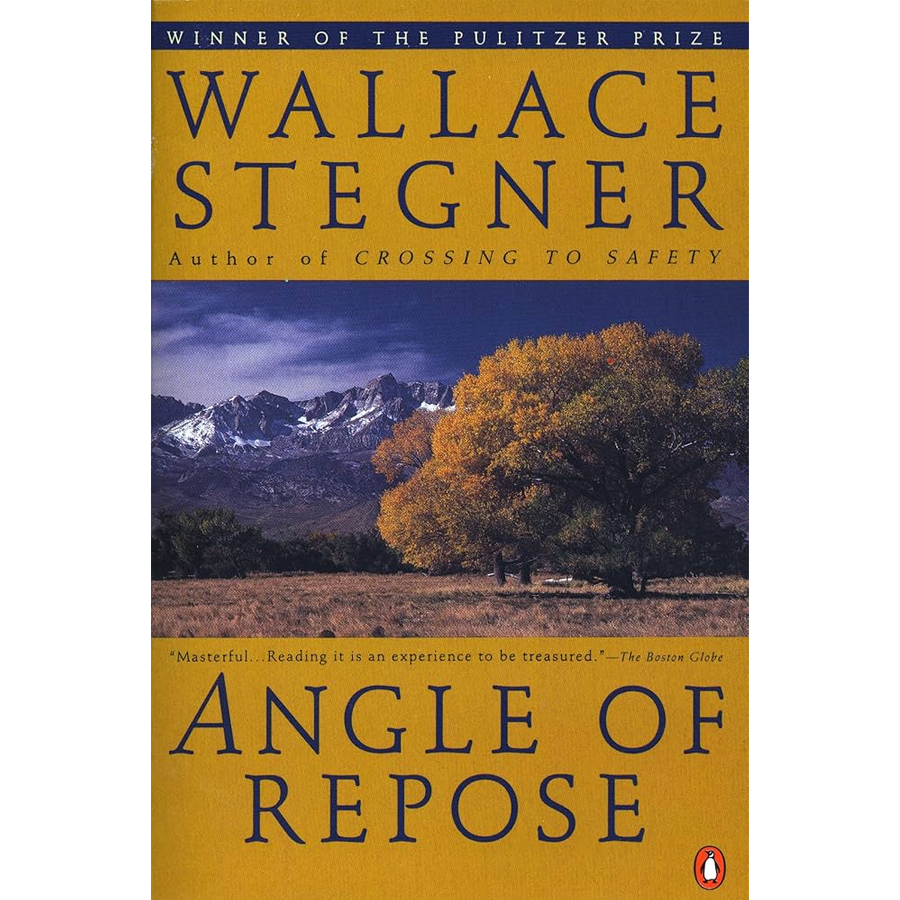
Set at the intersection of personal memory and the mythic American West, Angle of Repose follows Lyman Ward, a retired historian who returns to his grandparents’ frontier lives in an attempt to make sense of his own. As he reconstructs their story from letters, fragments, and half‑preserved accounts, the novel becomes a meditation on the distance between lived experience and the narratives we build to contain it. Susan and Oliver Ward’s marriage—tested by ambition, displacement, artistic longing, and the harsh demands of the mining frontier—unfolds against a landscape that promises renewal but often delivers isolation. Through Lyman’s searching, sometimes embittered perspective, Stegner reveals how the past is never simply inherited; it must be interpreted, reimagined, and endured.
What emerges is a novel about the slow erosion of certainty, both personal and historical. The frontier, once imagined as a place of possibility, becomes instead a stage for compromise and quiet heartbreak, while Lyman’s own present‑day life reflects a similar sense of dislocation: a marriage collapsed, a body failing, a culture drifting away from the ideals that shaped earlier generations. Stegner treats these parallel stories with a grave, patient sympathy, showing how individuals navigate the gap between the lives they hoped for and the ones they ultimately inhabit.
The American West here is not romanticized as a place of freedom alone, but revealed as a landscape of emotional displacement, where reinvention often carries hidden forms of loneliness and sacrifice. In tracing the quiet erosion and endurance within one marriage across decades of change, Stegner captures one of the defining tensions of the late modern condition itself: the uneasy realization that progress and loss are often inseparable, and that the worlds people build inevitably leave emotional residues behind them. Its power lies in its understanding that repose is never a given, but a hard‑won equilibrium between memory and acceptance, between the stories we inherit and the truths we finally learn to live with.
A Passage to India, E.M. Forster
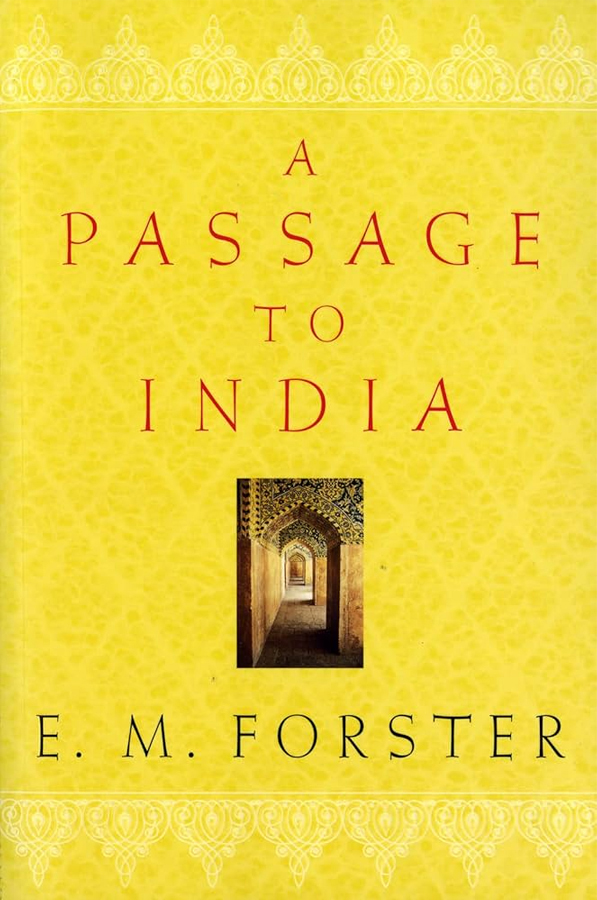
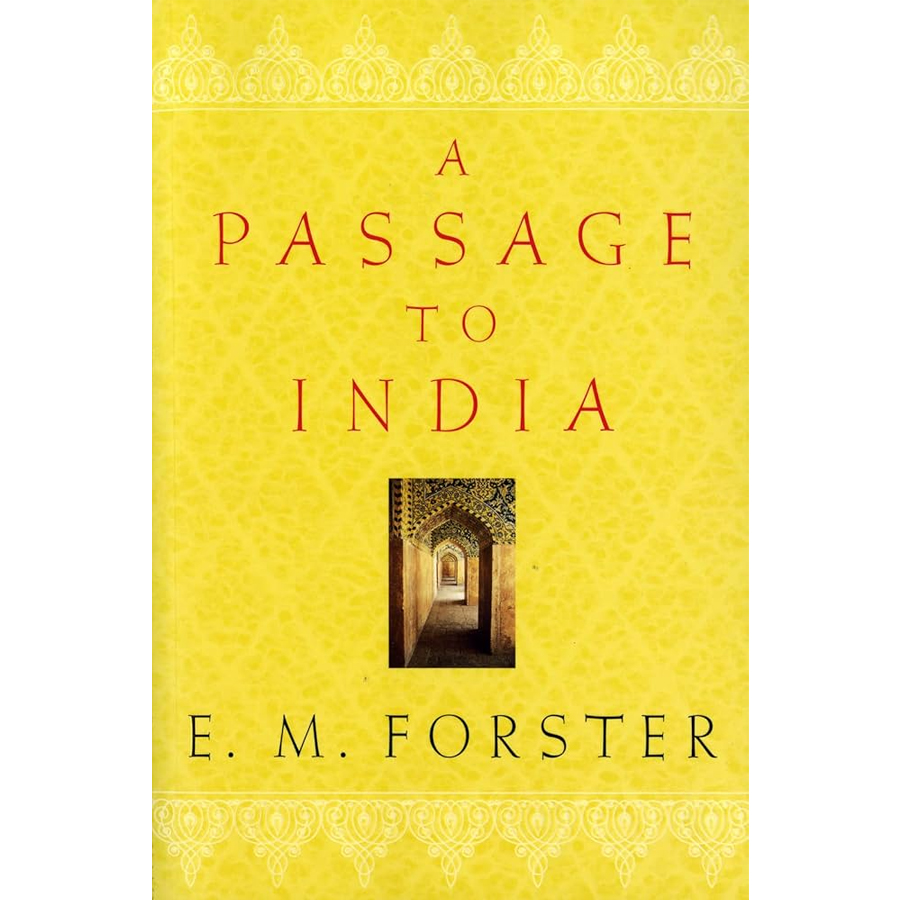
Set in the charged landscape of British‑ruled India, A Passage to India follows a group of characters—Indian and British—whose attempts at friendship and understanding are continually undone by the pressures of empire. At the center is Dr. Aziz, whose warmth and vulnerability collide with the suspicions and rigid hierarchies of the colonial world, and Mrs. Moore and Adela Quested, whose desire to see “the real India” leads them into a terrain far more ambiguous than they imagined. Forster builds the novel around encounters—conversations, invitations, misunderstandings—that seem poised to bridge cultural divides, only to reveal how fragile and easily distorted human connection becomes under the weight of political power. The Marabar Caves, with their disorienting echo, become the novel’s emblem: a place where meaning collapses, where certainty dissolves, and where the limits of comprehension are laid bare.
What emerges is a study of the late‑modern condition before its name existed: a world in which inherited structures no longer guarantee coherence, and where individuals must navigate the gap between their ideals and the realities that constrain them. Forster treats this uncertainty with a quiet, penetrating sympathy, showing how good intentions falter, how perception fractures, and how the desire for mutual recognition is thwarted by forces larger than any one person can master. Dislocation is not only geographical or political but deeply personal: the recognition that other lives, even those closest to us, remain partially unknowable, and that the longing for clarity often leads instead to ambiguity. A Passage to India stands as a meditation on the limits of understanding in a divided world, and on the fragile, necessary hope that connection—however provisional—might still be possible.
The Thousand Autumns Of Jacob De Zoet, David Mitchell
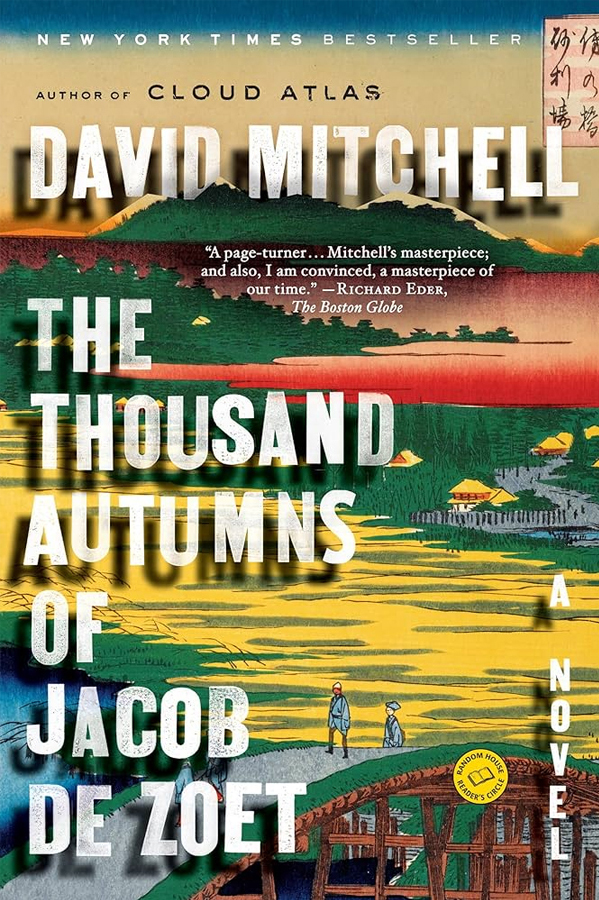
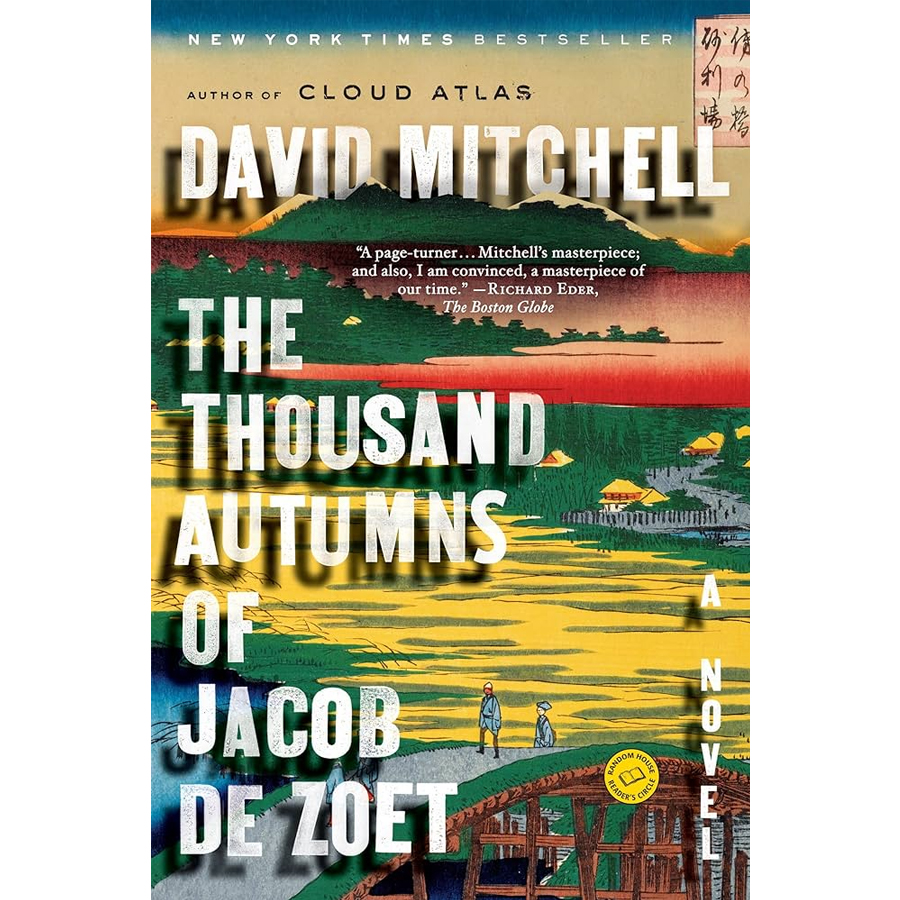
Set on the artificial trading island of Dejima at the turn of the nineteenth century, The Thousand Autumns of Jacob de Zoet follows a young Dutch clerk sent to Japan in hopes of earning enough wealth and status to secure his future back home. Instead, Jacob finds himself caught within a fragile crossroads between worlds: a declining Dutch trading empire clinging to influence, a fiercely controlled Japanese society resisting outside intrusion, and a web of corruption, political maneuvering, scientific exchange, and spiritual unease unfolding around him. As Jacob’s idealism collides with the realities of commerce, colonial ambition, and cultural isolation, the novel gradually expands into something far larger than historical adventure — a portrait of civilizations standing at the threshold of irreversible transformation.
What makes the novel extraordinary is the way Mitchell captures history not as distant spectacle, but as a lived moment of transition in which old systems remain visible even as they begin quietly collapsing beneath the surface. Nearly every character in the novel is suspended between competing worlds: duty and desire, isolation and connection, tradition and modernity, morality and survival. Dejima itself becomes the perfect symbol for the late modern condition — a narrow, artificial space where cultures exchange knowledge while remaining emotionally and politically divided from one another. Beneath its richly detailed historical setting, The Thousand Autumns of Jacob de Zoet is deeply concerned with the passage into modernity as not only historical but deeply personal, marked by the ache of what cannot be reconciled and the dignity of continuing forward nonetheless.
Island of the Day Before, Umberto Eco
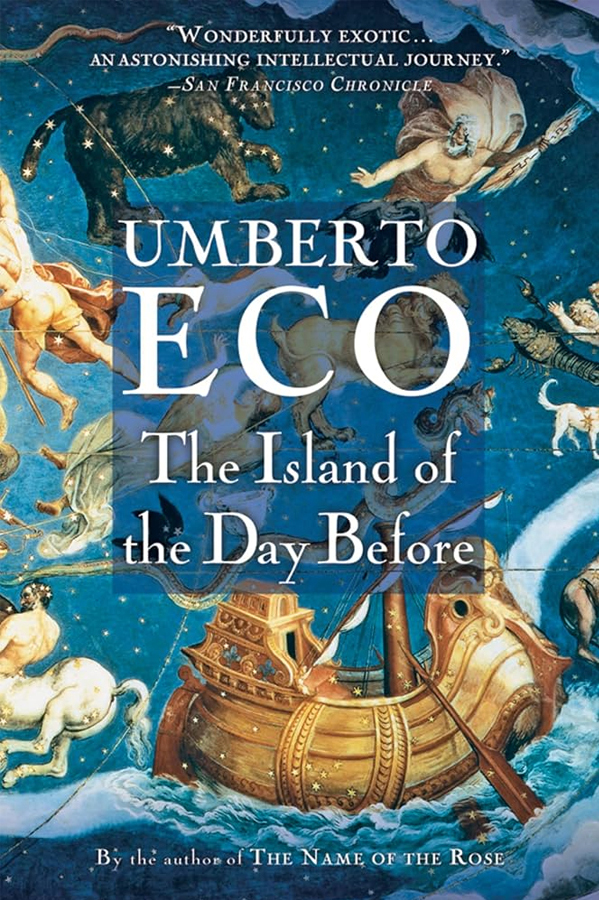
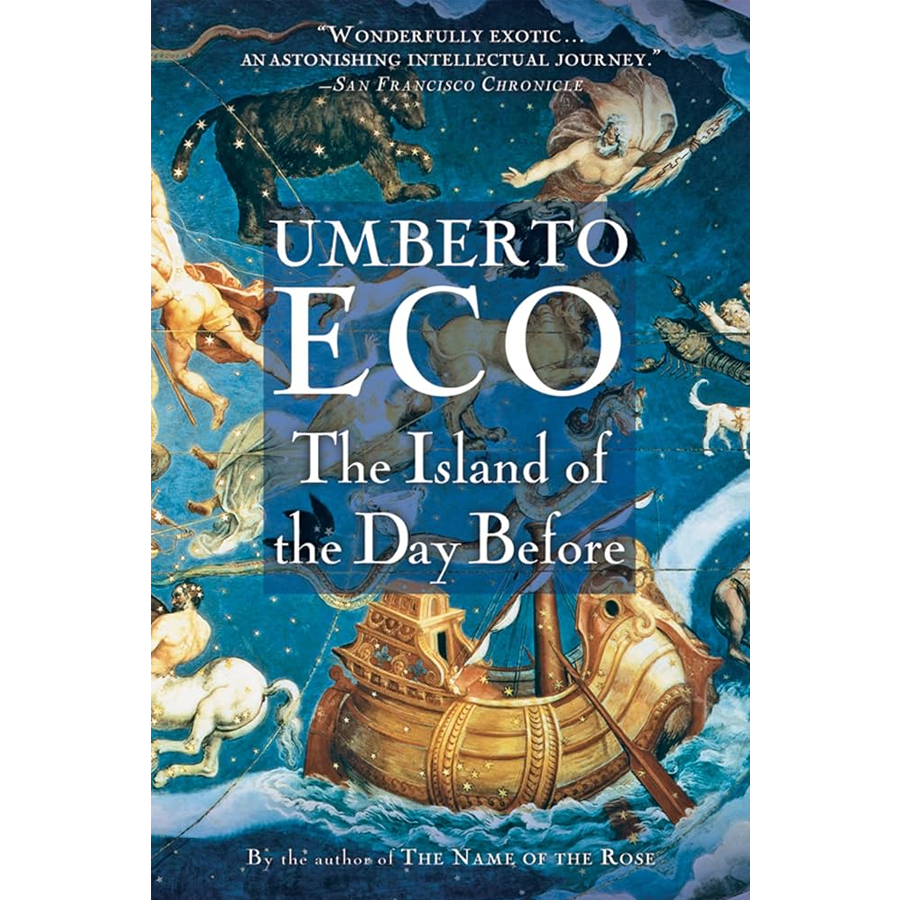
Set in the mid‑seventeenth century, The Island of the Day Before follows Roberto della Griva, a shipwrecked Italian nobleman who finds himself stranded on an abandoned vessel anchored just out of reach of an island lying across the International Date Line. From this strange, suspended vantage point, Eco constructs a novel that is part adventure, part philosophical inquiry, and part meditation on the limits of knowledge. Roberto’s isolation becomes a crucible for memory, imagination, and longing: he revisits his past in elaborate reconstructions, invents conversations with his rival and double, and attempts to impose narrative order on a world that refuses to yield its secrets. The ship, with its locked cabins and enigmatic artifacts, becomes a metaphor for the mind itself—full of compartments, echoes, and unanswered questions.
What emerges is a playful yet earnest novel about the fragile boundary between understanding and illusion, and about the human need to create meaning even when the available evidence is contradictory or incomplete. Eco treats history as a shifting, unstable terrain, where scientific discovery, religious belief, and personal desire collide in ways that illuminate the early contours of modern uncertainty. The Island Of The Day Before is fundamentally concerned with distance: between knowledge and truth, language and reality, desire and fulfillment, self and world. Roberto’s physical inability to reach the island mirrors the larger condition haunting the book — our attempts at interpreting reality estranges us from directly experiencing of it, the search for truth is inseparable from the longing that drives it, and that complete understanding may always remain just beyond our reach.
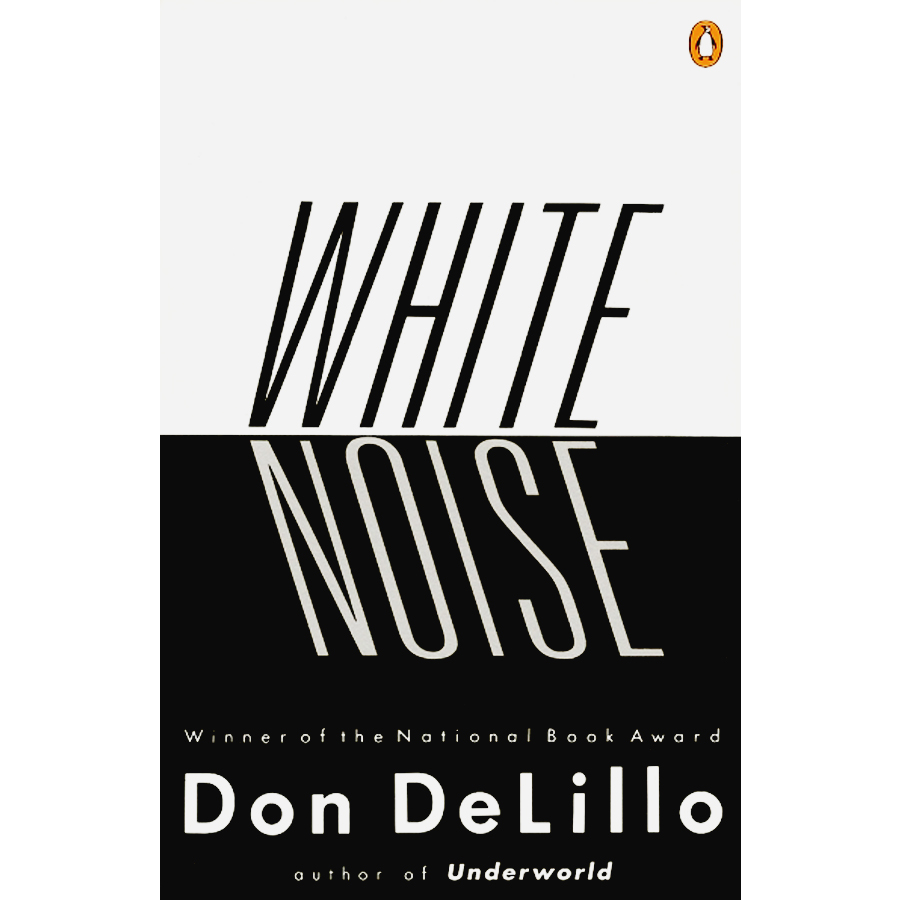
White Noise, Don DeLillo
Set in a small American college town saturated by television, advertising, consumer culture, and academic performance, White Noise follows professor Jack Gladney, founder of the ironically prestigious department of Hitler Studies, as he moves through the routines of family life alongside an ever-present fear of death. What begins as a sharp social satire gradually shifts into something stranger and more unsettling after an industrial disaster known as the “Airborne Toxic Event” forces the characters to confront the fragility beneath the systems meant to organize and reassure modern life. Supermarkets, pharmaceuticals, media broadcasts, and streams of information become part of a constant background hum — the “white noise” of a culture attempting to drown out its own existential terror through consumption, distraction, and spectacle.
More than perhaps any other novel on this shelf, White Noise captures the psychological texture of late modernity itself: the sense of living inside systems so pervasive they begin shaping not only behavior, but perception, emotion, and even consciousness. DeLillo’s genius lies in revealing how absurdity and dread coexist seamlessly beneath ordinary life, how media language slowly replaces authentic experience, and how modern institutions offer endless streams of information while providing little genuine meaning or comfort. Yet beneath the satire runs a surprisingly human current — a recognition that the fear of death, loneliness, and uncertainty remains fundamentally unchanged even as technology and consumer culture evolve around it. The novel shows how the deepest anxieties of modern life are not loud but ambient, and woven into the ordinary; that noise is not merely background distraction, but a mechanism by which contemporary life attempts to protect itself from a confronting silence and vulnerability; and that the struggle to remain human within this atmosphere is both absurd and profoundly moving.
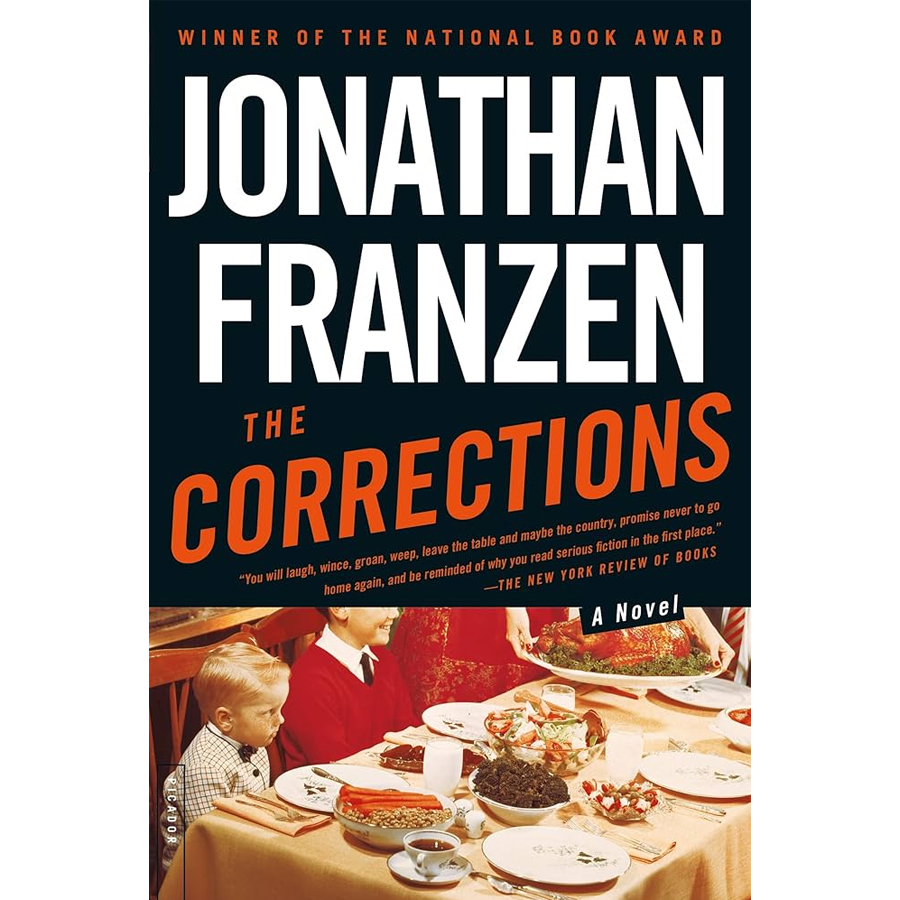
The Corrections, Jonathan Franzen
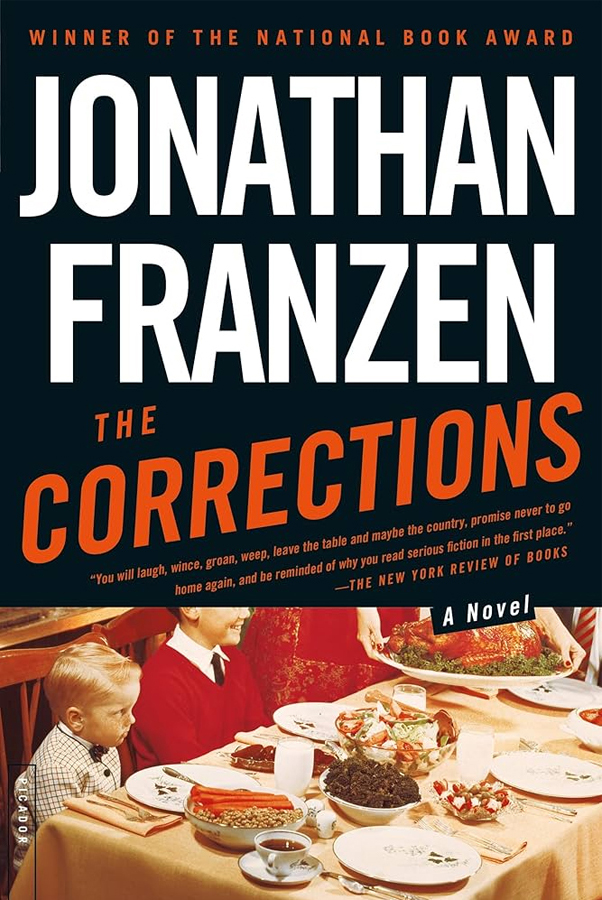
In The Corrections, Jonathan Franzen introduces us to the Lambert family, whose members carry their private disappointments, ambitions, and evasions into a shared space that no longer quite holds them. Enid and Alfred, aging in a Midwestern home that feels increasingly out of step with the world around them, watch their adult children scatter into lives defined by professional anxiety, emotional improvisation, and the uneasy freedoms of late‑twentieth‑century America. Franzen renders these lives with a sharp, almost forensic clarity—capturing the textures of corporate culture, urban restlessness, pharmaceutical solace, and the quiet humiliations that accumulate in long marriages and long silences. What begins as a story about a family holiday becomes a portrait of the slow, almost imperceptible ways people drift away from one another, even as they continue to long for connection.
What emerges is a novel about the emotional weather of late modernity: the sense that the structures meant to provide coherence—family, work, marriage, geography—have begun to fray, leaving individuals to navigate their desires and failures without a stable frame. Franzen treats this unraveling with a mixture of satire and deep sympathy, showing how each character’s attempt at self‑correction only reveals further layers of confusion, longing, and unresolved grief. The Corrections stands as a study in the fragile bonds that persist even as they weaken, and in the ways people try to repair themselves while carrying the weight of histories they only half understand. Its enduring power lies in its recognition that the collapse of a family is rarely dramatic; it is a slow, drifting process, marked by small misunderstandings, deferred conversations, and the stubborn hope that something essential might still be recovered before it’s too late.
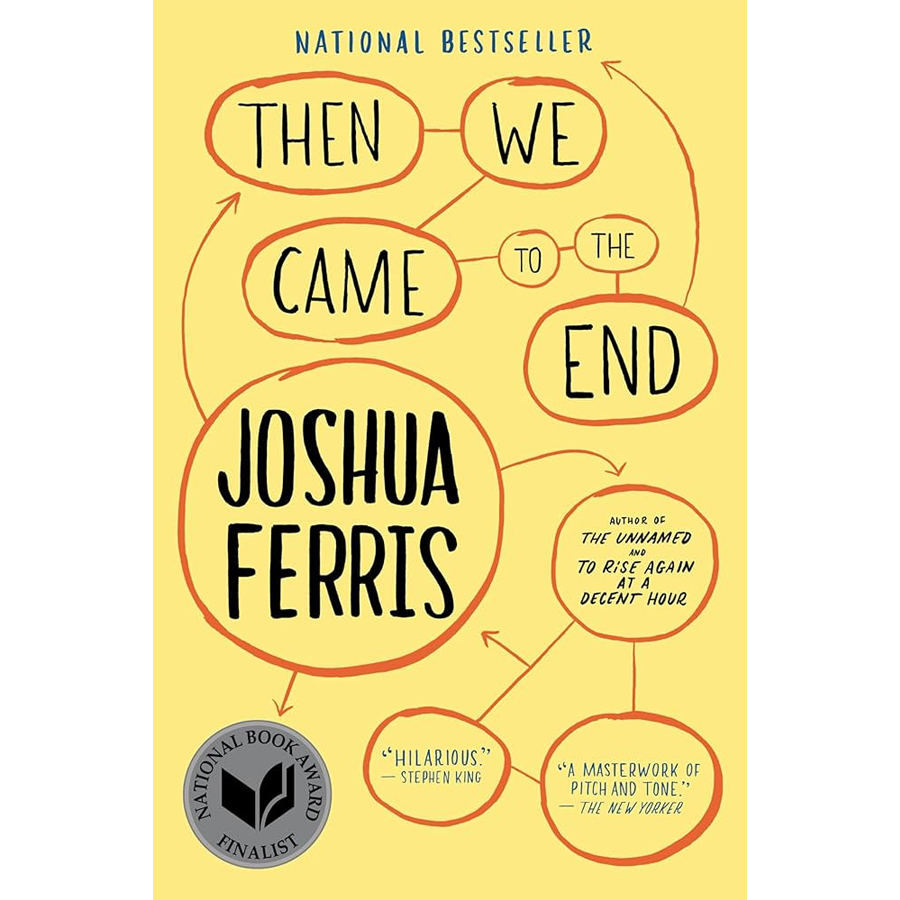
Then We Came to the End, Joshua Ferris
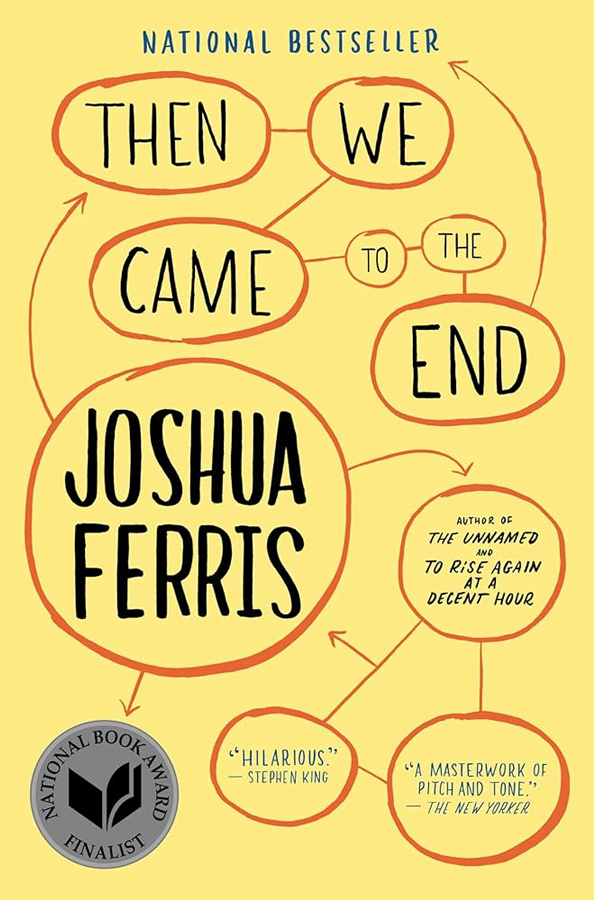
In Then We Came to the End, Joshua Ferris turns the modern office into a kind of comic stage, where every small irritation, rumor, and ritual takes on the exaggerated proportions of a shared mythology. The advertising firm at the center of the novel is perpetually on the brink of layoffs, yet its employees remain devoted to the daily theater of workplace life: the stolen chairs, the passive‑aggressive emails, the endless meetings that accomplish nothing, the collective procrastination that somehow feels like solidarity. Told in a buoyant first‑person plural, the book captures the strange pleasure of belonging to a group bound together not by purpose, but by proximity and a mutual talent for distraction. Ferris treats the office not as a symbol of decline, but as a place where people—flawed, funny, and deeply human—invent meaning out of whatever is at hand.
What emerges is a portrait of work culture at its most endearingly chaotic: a world where gossip becomes folklore, where minor inconveniences feel epic, and where the absurdity of corporate life is met not with despair but with a kind of communal shrug. Ferris’s humor is affectionate rather than cruel, revealing how people cling to one another through jokes, shared complaints, and the small, ridiculous dramas that make the days pass. Then We Came to the End offers a lighter register—a reminder that even in moments of uncertainty, there is something undeniably human in the way people laugh, commiserate, and muddle through together. Its charm lies in its recognition that the workplace, for all its flaws, can be a place of accidental camaraderie, where the comedy of everyday life becomes its own quiet form of resilience.
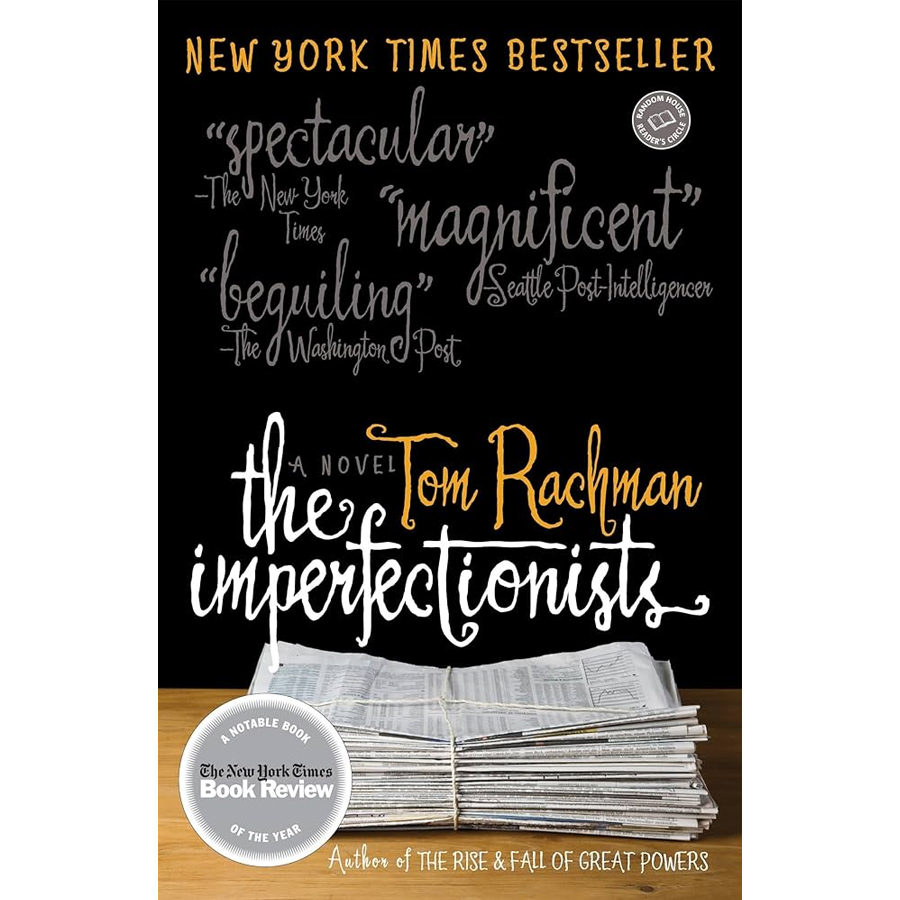
The Imperfectionists
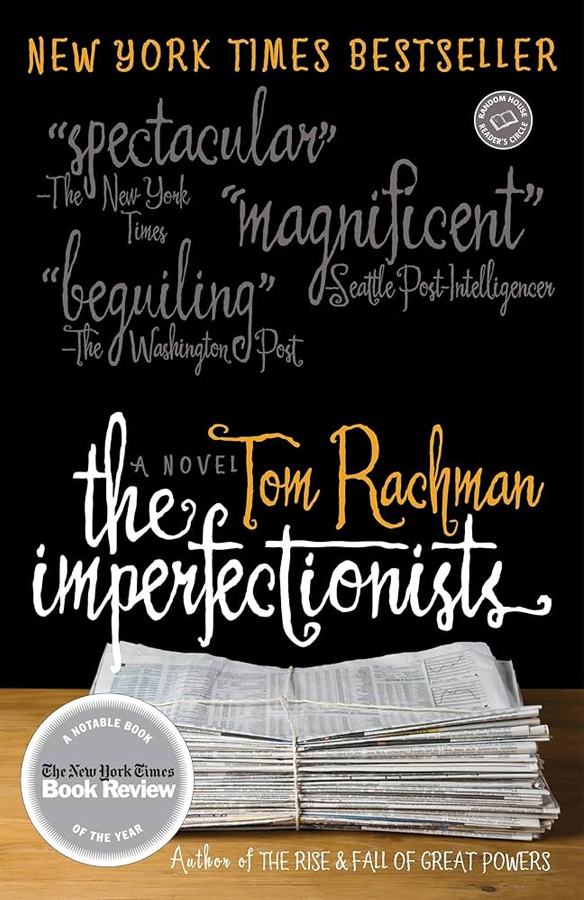
When a newspaper begins to wobble, its people wobble with it. In The Imperfectionists, Tom Rachman assembles a cast of journalists, editors, correspondents, and hangers‑on whose lives orbit a struggling English‑language paper in Rome. Each chapter offers a glimpse into a different corner of the newsroom—anxious copy editors, distracted bureau chiefs, reporters chasing stories no one will read—yet what binds them together is not institutional purpose so much as the endearing chaos of people trying to appear competent while quietly improvising their way through the day. Rachman delights in the small absurdities of office life: the territorial battles over desk space, the mismatched ambitions, the deadlines that inspire panic rather than productivity. The result is a portrait of a workplace held together less by mission than by habit, humor, and the shared recognition that everyone is winging it.
What emerges is a novel that treats professional dysfunction with warmth rather than despair. The newspaper may be fading, but the people inside it remain wonderfully alive—full of quirks, missteps, and the kind of accidental camaraderie that forms when individuals spend too much time in the same rooms with too little certainty about what they’re doing. Rachman’s touch is light, affectionate, and slyly observant, revealing how even the most precarious workplace can become a source of unexpected connection and comedy. The Imperfectionists offers a buoyant counterpoint: a reminder that amid cultural drift and institutional unraveling, there is still pleasure to be found in human eccentricity, shared stories, and the gentle absurdity of trying to make something—anything—work.
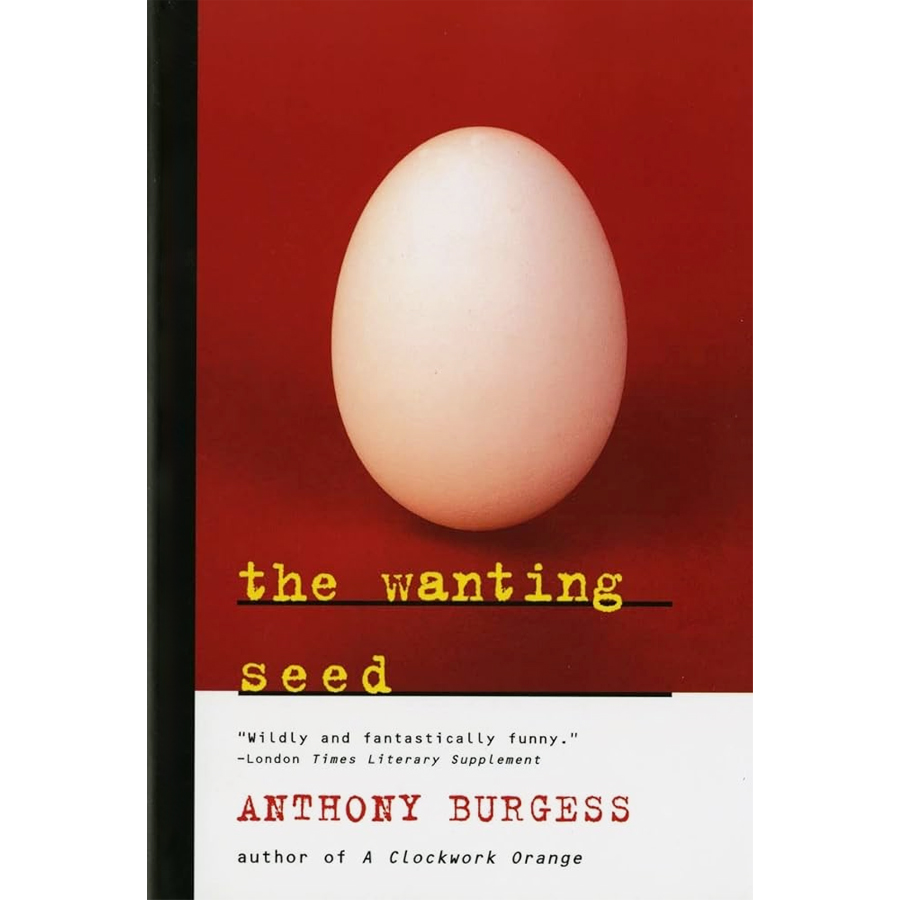
The Wanting Seed, Anthony Burgess
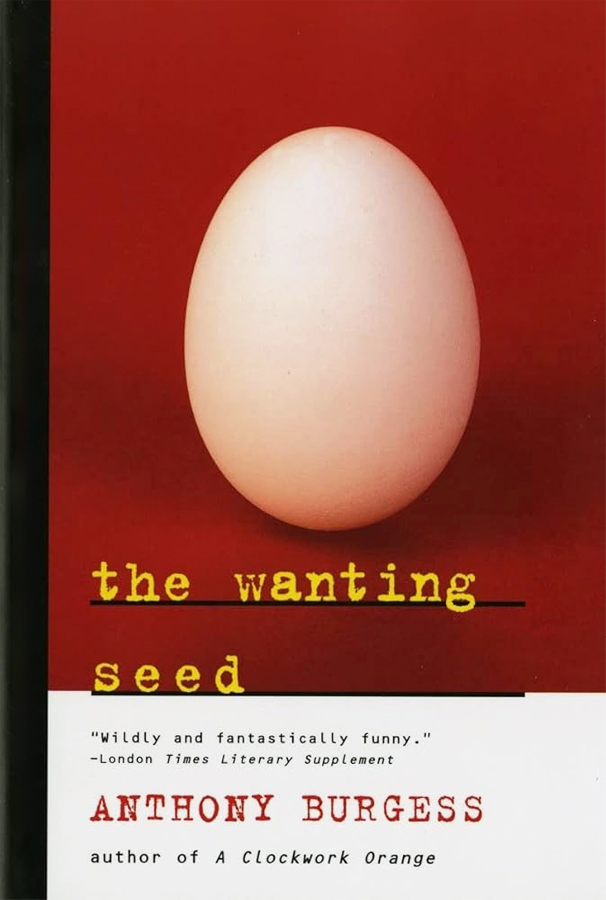
Set in a future England where overpopulation has pushed society into a cycle of increasingly bizarre political and social experiments, The Wanting Seed follows Tristram Foxe as he navigates a world that keeps reinventing itself with manic, almost theatrical urgency. Burgess builds the novel out of escalating absurdities—government programs that shift ideology overnight, public rituals that veer from the bureaucratic to the carnivalesque, and a culture so desperate to control human behavior that it becomes a parody of its own intentions. Tristram’s journey through these shifting landscapes feels like moving through a hall of mirrors: every institution reflects a distorted version of the last, every attempt at order collapses into chaos, and every new policy arrives with the cheerful confidence of something that will be obsolete by morning.
The novel treats dystopia not as a grim warning but as a stage for exuberant exaggeration. Burgess delights in the sheer excess of his own invention—the sudden reversals, the ideological whiplash, the way ordinary people try to maintain dignity while the world around them behaves like an overcaffeinated bureaucracy gone rogue. The Wanting Seed offers a vision of societal instability pushed to comic extremes: a reminder that when systems become too eager to correct themselves, they often end up revealing their own absurdity instead. Its enduring charm lies in its energy, its inventiveness, and its willingness to embrace the ridiculous as a way of illuminating the strange, improvisational nature of modern life.
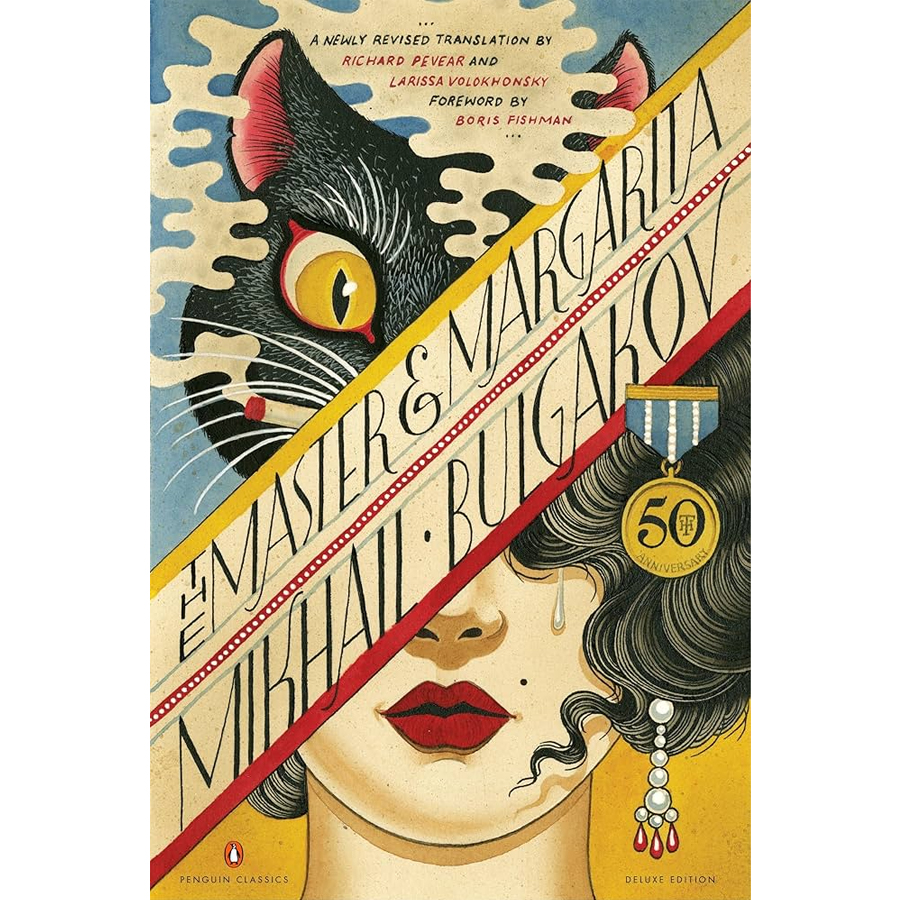
The Master and Margarita, Mikhail Bulgakov
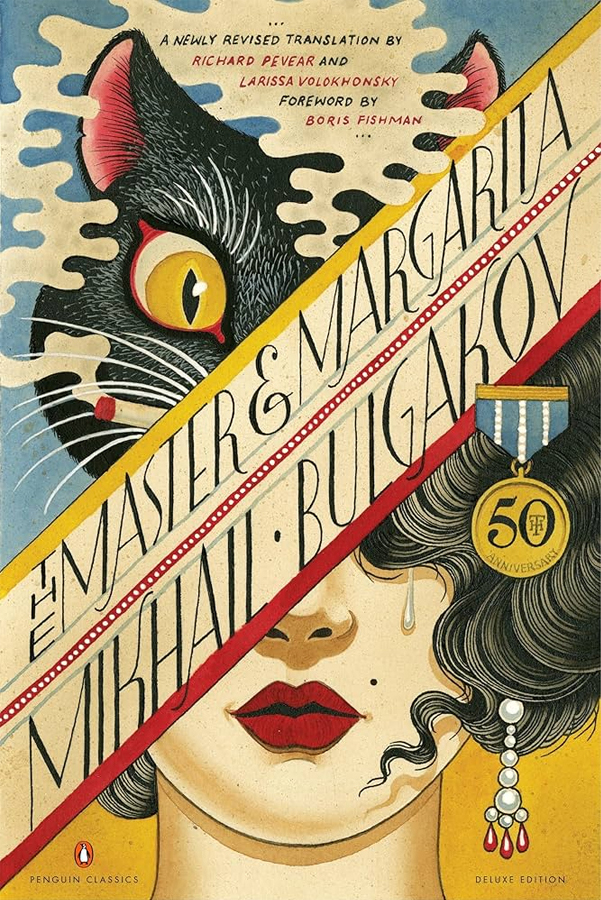
Set in a Moscow where the ordinary and the impossible coexist with equal indifference, The Master and Margarita follows the chaos unleashed when the Devil—traveling under the name Woland—arrives with a retinue of supernatural misfits, including a giant, gun‑toting cat with a taste for mischief. Bulgakov turns the city into a stage where bureaucrats, writers, and unsuspecting citizens are swept into a carnival of illusions, vanishing acts, and theatrical reversals. At the center of this swirling spectacle are the Master, a reclusive novelist undone by his own work, and Margarita, whose fierce devotion propels her into Woland’s orbit. The novel moves effortlessly between satire and enchantment, treating the absurd not as an interruption of reality but as one of its most reliable features.
What emerges is a story that delights in the instability of the world it creates. Bulgakov revels in the spectacle of institutions undone by their own pretensions, in the way a single uncanny event can expose the fragility of order, and in the strange liberation that comes when logic gives way to wonder. The Master and Margarita offers a vision of modern life refracted through the surreal: a reminder that the absurd can illuminate truths that solemnity cannot, and that chaos—when embraced rather than resisted—can reveal unexpected forms of clarity. Exuberance, theatrical imagination, and insistence that even in a world governed by confusion, there is room for magic, mischief, and the occasional talking cat who refuses to behave – it’s all here, and it all somehow feels real on a deeper level.
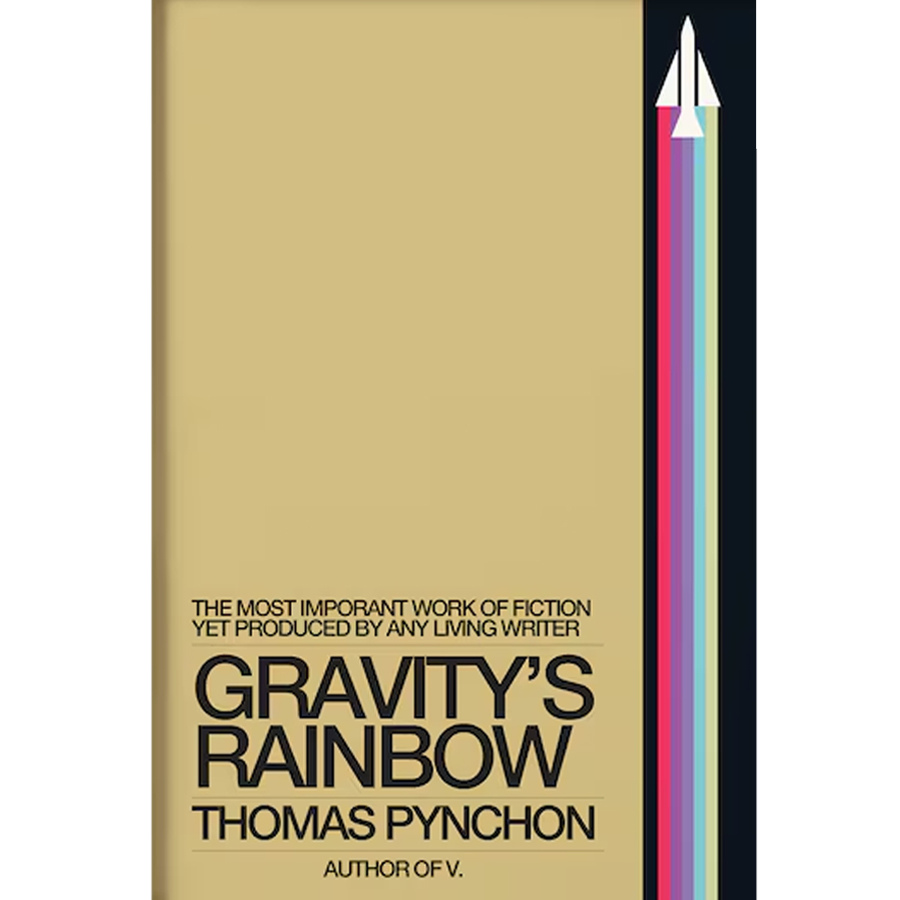
Gravity's Rainbow, Thomas Pynchon
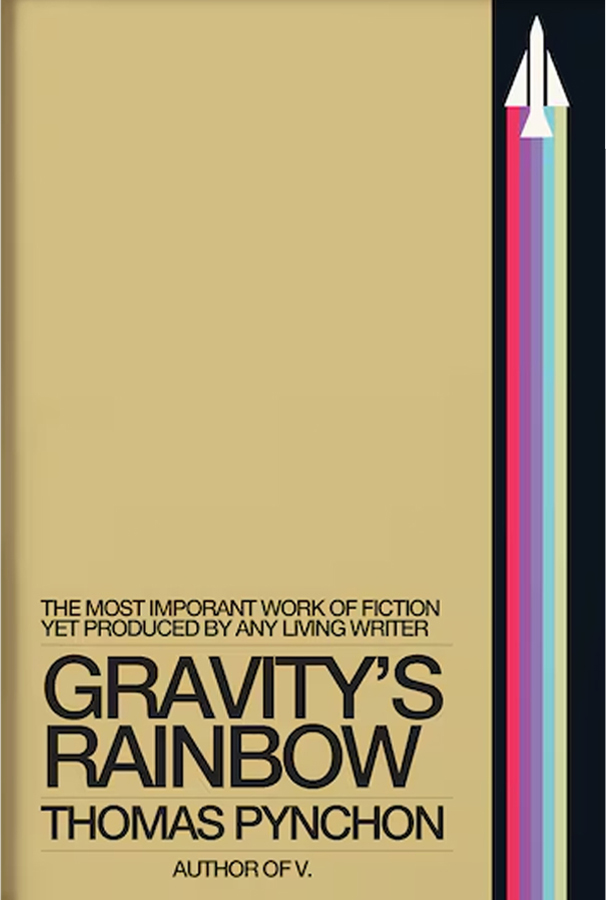
Gravity’s Rainbow is a sprawling, anarchic, and astonishingly ambitious novel set in Europe at the end of World War II, where the V‑2 rocket becomes the gravitational center of a story that spirals outward into paranoia, science, mysticism, erotic obsession, and the machinery of modern power. At its core is Tyrone Slothrop, an American lieutenant whose strange connection to the rocket’s impact sites sends him wandering through a continent in ruins. But Pynchon uses Slothrop less as a traditional protagonist than as a prism—splitting the era’s anxieties, technologies, and conspiracies into a kaleidoscope of voices, digressions, songs, and manic set pieces.
The novel’s strength lies in its sheer imaginative range. Pynchon blends slapstick comedy with high theory, historical detail with surreal invention, and intimate human moments with sweeping meditations on entropy, control, and the birth of the modern surveillance state. The book refuses to stay still: it shifts tone, form, and perspective with a kind of ecstatic restlessness, mirroring the instability of the world it depicts. Few novels capture so vividly the sense of living inside systems too vast and intricate to fully comprehend.
Gravity’s Rainbow marks a turning point in postwar literature—a work that confronts the twentieth century’s technological and political transformations with both skepticism and awe. It challenges the reader not simply with difficulty, but with the recognition that complexity is part of the world it’s describing. To read it is to enter a novel that wants to overwhelm you, unsettle you, and expand your sense of what fiction can do. It remains one of the defining achievements of modern literature: unruly, brilliant, and endlessly alive.