
The Core Fantasy Shelf
This shelf presents fifteen works that define what fantasy, at its best, is capable of. Taken together, they trace a literature concerned not simply with imagined worlds, but with power and its consequences, memory and identity, and the enduring question of what it means to live well within — or despite — the structures that shape a life. Chosen for their depth and durability rather than just popularity, they reflect what the genre can achieve at its most thoughtful and enduring, revealing the genre's deepest possibilities.
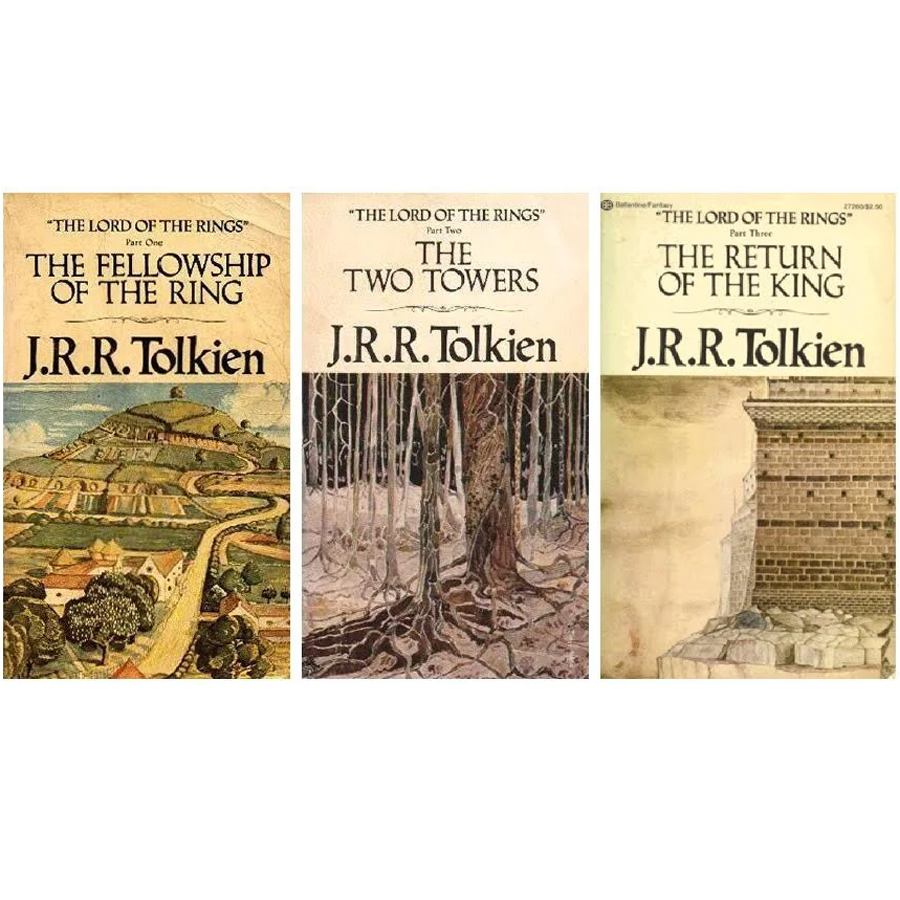
The Lord Of The Rings, J.R.R. Tolkien
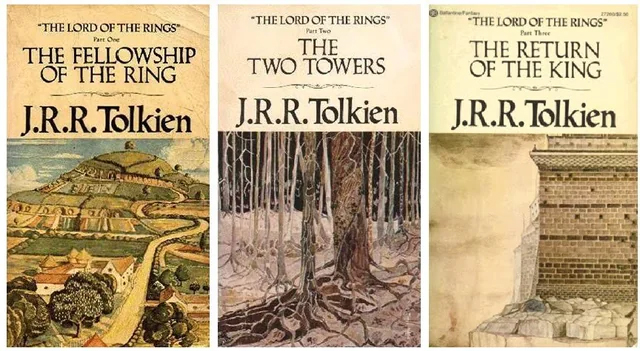
That act of myth‑making became the blueprint for modern fantasy. The idea that an invented world should have its own deep time, its own moral cosmology, its own maps and histories—this is the Tolkien template. Nearly every major fantasy series since, from The Wheel of Time to A Song of Ice and Fire, is in conversation with Middle‑earth, whether following its path or deliberately breaking from it.
But The Lord of the Rings also endures because it refuses to romanticize victory. The Ring is destroyed, yet the triumph is bittersweet: Frodo is too wounded—physically, spiritually, psychologically—to remain in the world he saved. The age of magic fades, the Elves depart, and Middle‑earth moves into a more ordinary era. Tolkien’s myth insists that even necessary victories demand a price, and that the world after a great struggle is never the same as the one before.
In the end, it’s a story about courage, loss, and the passing of ages—an invented mythology that reshaped an entire genre while reminding readers that even the greatest triumphs leave scars.
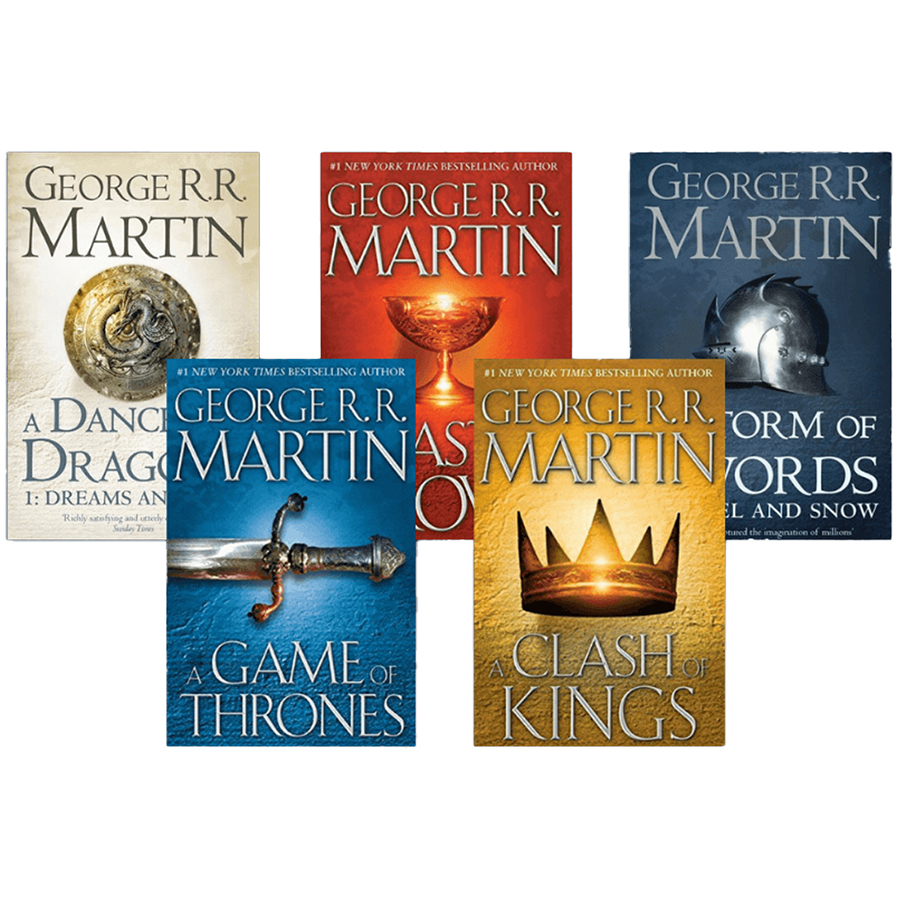
A Song Of Ice And Fire, George R. R. Martin
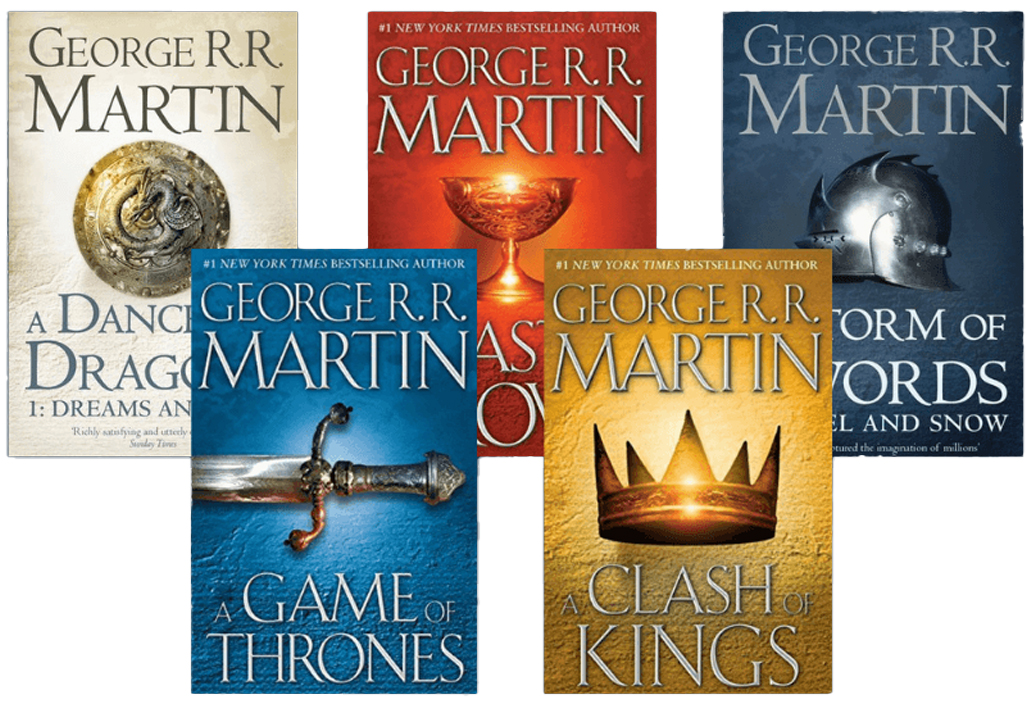
George R. R. Martin’s A Song of Ice and Fire is a fantasy epic built not on mythic destiny, but on the machinery of power—and the human frailty ground up inside it. Where Tolkien forged a mythology, Martin dissects a political ecosystem. Westeros isn’t a stage for heroes; it’s a system that produces conflict as reliably as winter produces cold. Power isn’t a prize to be won but a structure that shapes, corrupts, and consumes the people who try to wield it.
At the heart of the series is the idea that idealism collides with consequence. Characters who reach for justice, honor, or mercy—Ned Stark, Jon Snow, Daenerys Targaryen—find that good intentions don’t insulate them from the brutal logic of the world they inhabit. In Westeros, ideals are not shields; they’re vulnerabilities. The system punishes those who believe it can be navigated cleanly.
Martin’s world is one where human failure isn’t an aberration but a load‑bearing pillar of society. The great houses fall not because of singular villains but because of ordinary flaws: pride, fear, ambition, self‑deception. The political order is fragile because the people maintaining it are fragile. Every misjudgment ripples outward—wars begin over misunderstandings, kingdoms collapse under the weight of ego, and the realm bleeds because no one is capable of seeing the whole board.
And yet, the series isn’t nihilistic. Its tragedy comes from the fact that many characters want to do better but are trapped in structures that reward ruthlessness and punish virtue. The cost of power is not just paid by those who seek it, but by the countless lives caught in the wake of their choices.
In the end, A Song of Ice and Fire is a fantasy about the consequences of being human in a world that magnifies every flaw. It reimagines the genre by replacing mythic certainty with political entropy, showing that the true dragons in Westeros are the systems people build—and the failures they can’t escape.
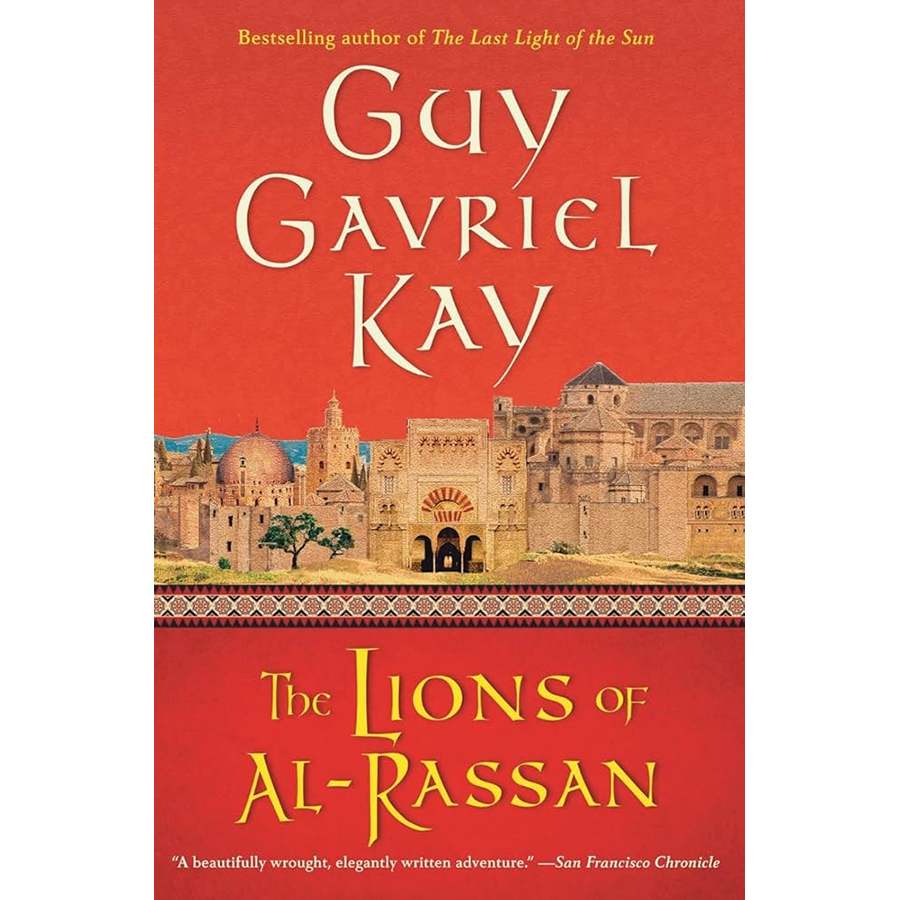
The Lions Of Al-Rassan, Guy Gavriel Kay
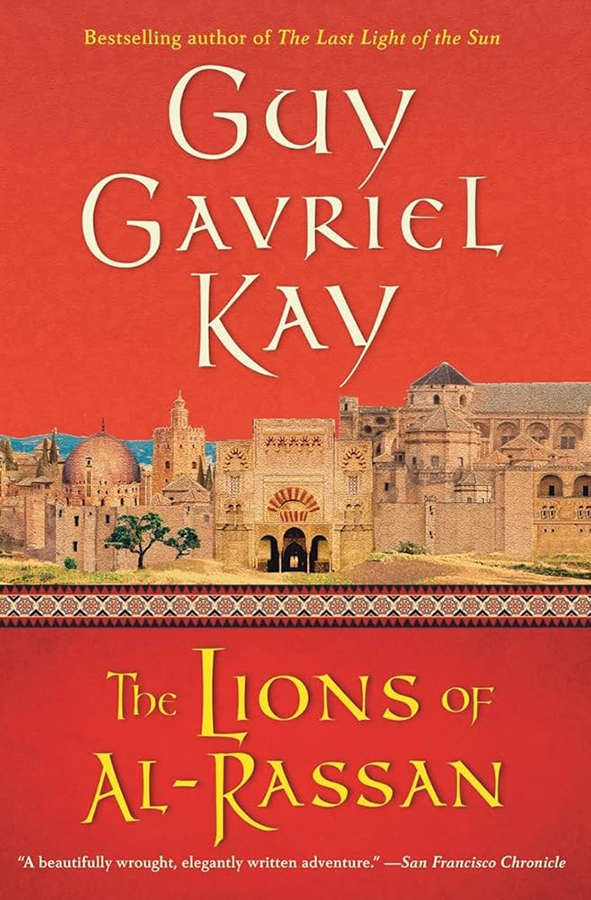
Guy Gavriel Kay’s The Lions of Al‑Rassan is a portrait of civilizational tragedy—an elegy for worlds that cannot coexist, even when the people within them desperately wish they could. Set in a land inspired by medieval al‑Andalus, the novel builds its power not from grand battles or mythic destinies, but from the intimate collisions of culture, faith, and loyalty. It’s a story where history isn’t a backdrop; it’s the force that shapes and ultimately breaks the lives of those caught inside it.
Kay crafts a world of overlapping cultures and irreconcilable loyalties, where convivencia is real but fragile, and where the bonds between individuals—friendship, love, respect—are constantly strained by the demands of tribe and tradition. The tragedy isn’t that people fail to understand one another; it’s that they do understand, and it still isn’t enough to overcome the gravitational pull of their histories.
The novel’s emotional core lies in its refusal to simplify conflict. Dignity and loss coexist without resolution. No side is reduced to caricature, no culture flattened into villainy or virtue. Instead, Kay shows how civilizations can be simultaneously brilliant and doomed, how beauty can flourish in the shadow of inevitable fracture. The characters’ personal loyalties—so deeply felt, so painfully divided—mirror the broader tragedy of a world where coexistence is possible in the small and impossible in the large.
What emerges is the tragedy of history at the human scale: individuals who might have built a shared future instead become witnesses to the slow, grinding collapse of the world they love. Their choices matter, but they cannot rewrite the forces that precede them. The sorrow of The Lions of Al‑Rassan is not that people fail to be good, but that goodness cannot always withstand the weight of history.
In the end, the novel’s power comes from its clear‑eyed compassion—its understanding that civilizations fall not because people are monsters, but because even the best of them are trapped in worlds that cannot be reconciled.
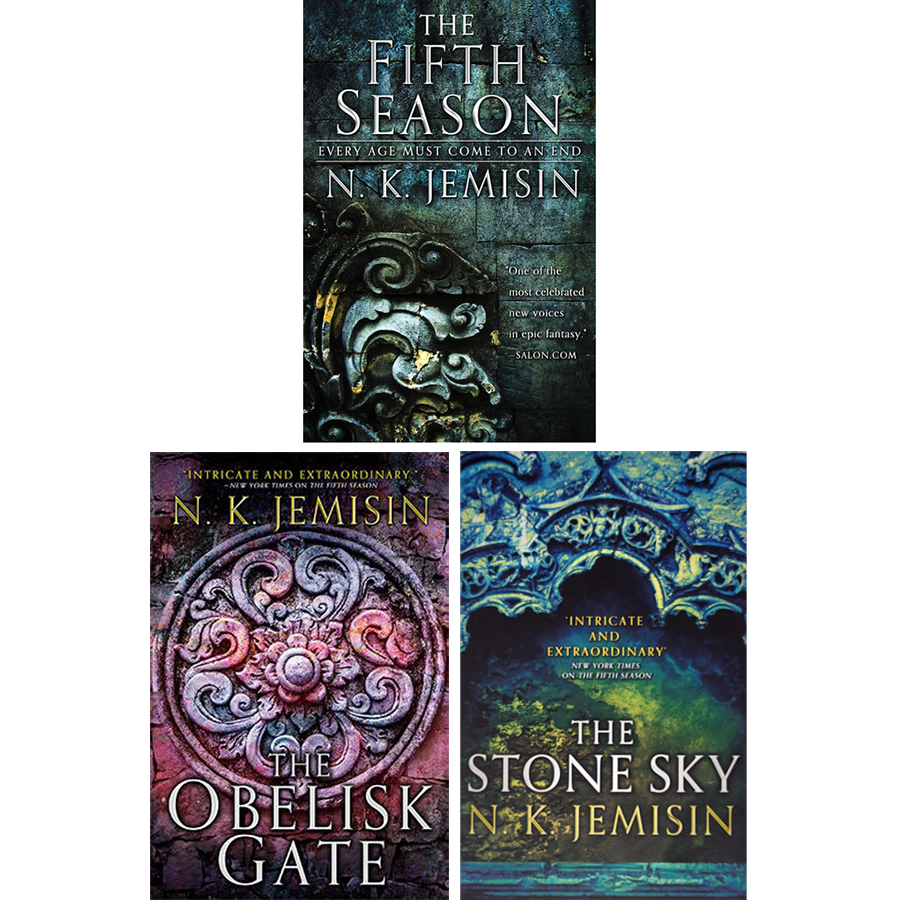
The Broken Earth, N. K. Jemisin
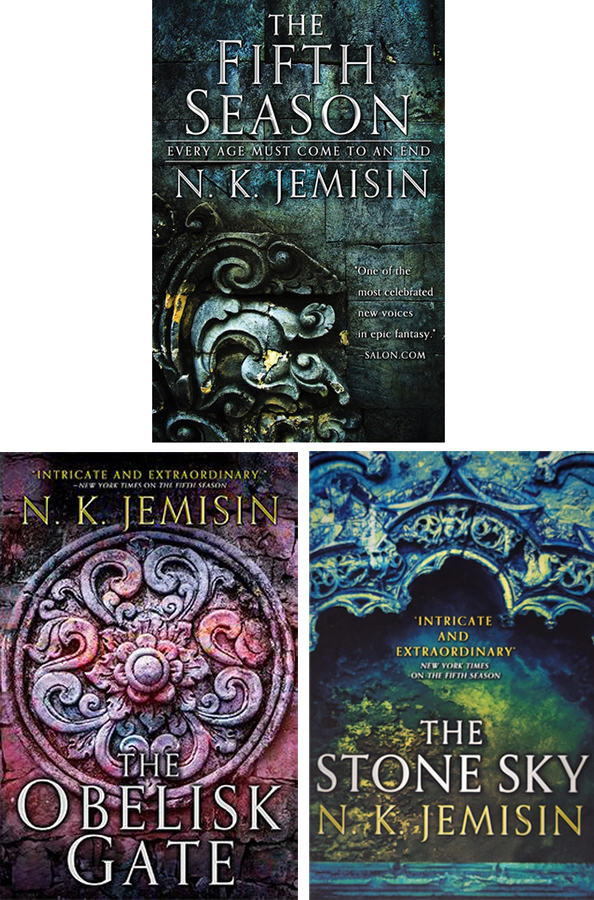
The Broken Earth trilogy is a study of systemic harm—an unflinching look at how power, trauma, and history shape a world long after the original wounds were inflicted. In a land defined by relentless seismic catastrophe, society has built itself around fear: fear of the earth, fear of collapse, and above all, fear of the people capable of controlling that instability. Orogenes are both indispensable and despised, trained as tools, punished as threats, and forced into a system that perpetuates suffering across generations.
The trilogy’s force comes from how it treats power as a structure, not a trait. The oppression of orogenes isn’t the result of a single villain but a deeply rooted system designed to survive its own cruelty. Jemisin shows how institutions can turn trauma into policy, how entire civilizations can be built on the management of fear, and how those systems endure by shaping what people believe is normal. The harm is inherited, embedded, and constantly renewed.
Yet the narrative never loses sight of the people inside those systems. Survival becomes a spectrum of choices—hiding, resisting, enforcing—each shaped by the scars of the past. Characters navigate a world that demands obedience while punishing difference, and their personal journeys reveal how deeply the world itself has been carved by ancient violence. As they uncover the truth of their history, the scale of what has been done becomes staggering: not just the lives lost, but the possibilities foreclosed, the humanity constrained, the futures denied.
This is a world where catastrophe is cyclical because the systems built to manage it are themselves broken. Certain individuals are feared and controlled precisely because they could change the world—and because the world’s rulers cannot imagine a future not built on domination. The trilogy’s tragedy lies in how thoroughly past violence has shaped the present, and how difficult it is to imagine a different way of being when every structure reinforces the same old wounds.
Ultimately, The Broken Earth expands the genre’s ability to speak to injustice without sacrificing narrative momentum. It’s a story about the cost of survival under systems designed to break you, and about the immense, painful work of reclaiming not just power, but the right to become something more than what history has allowed.
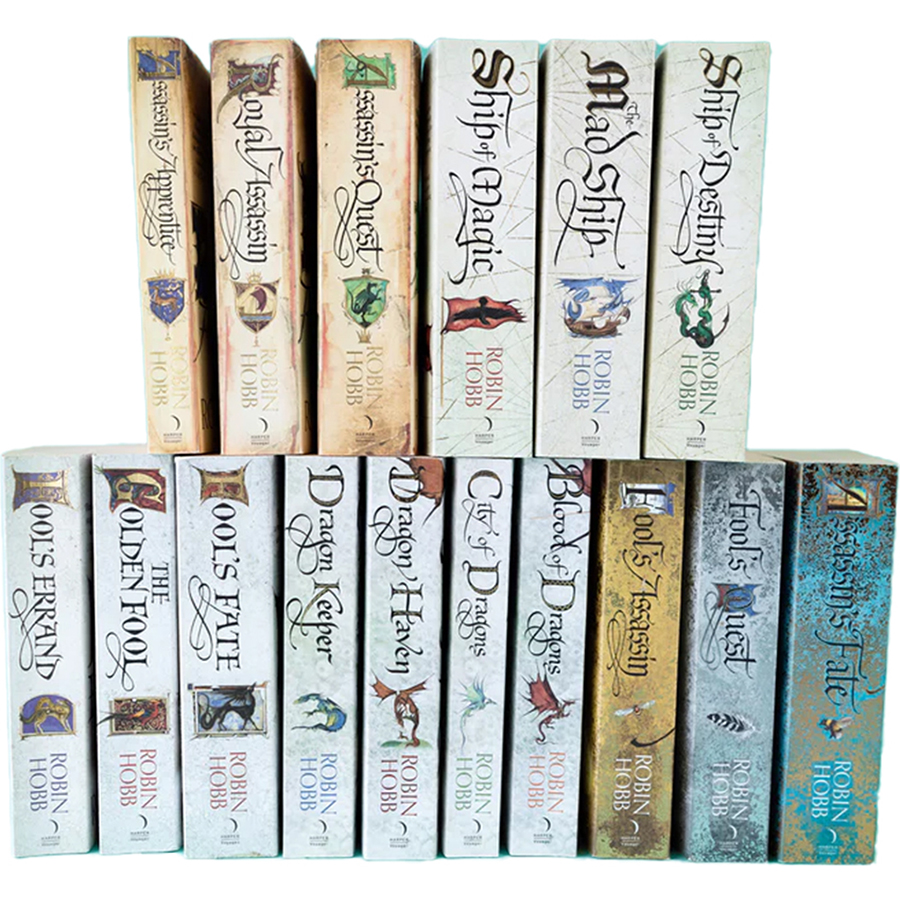
The Realm Of The Elderlings, Robin Hobb
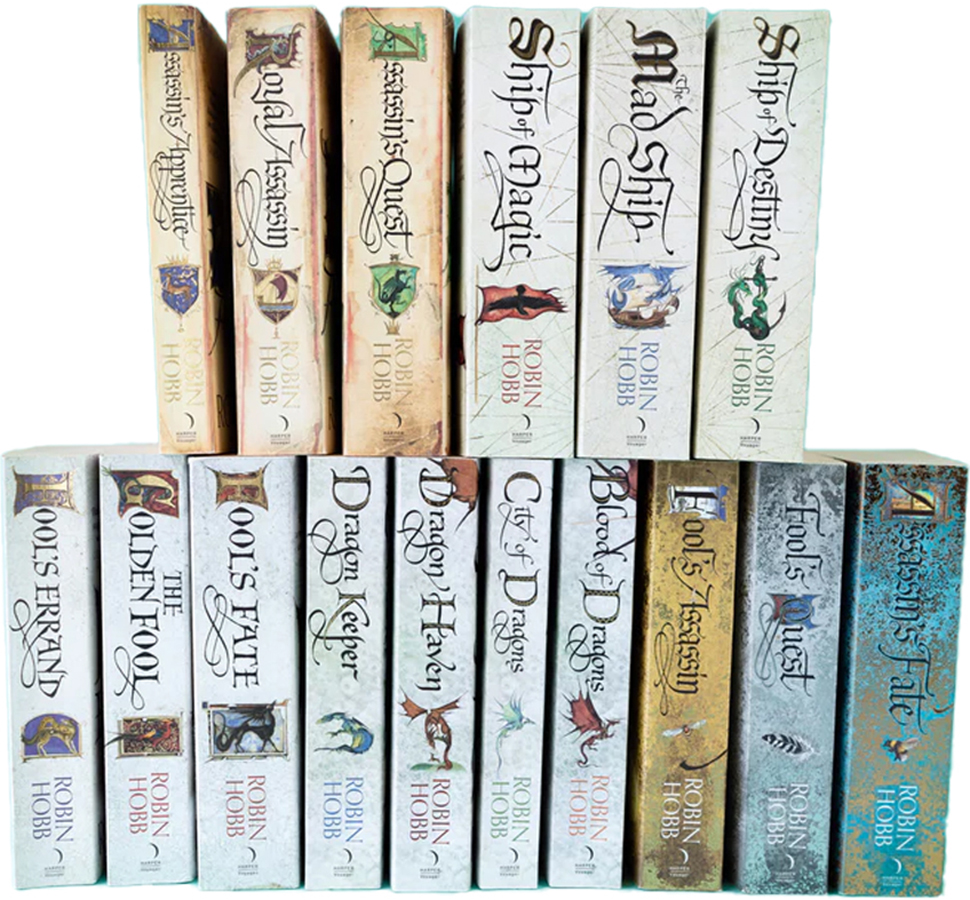
The Realm of the Elderlings is an epic not of spectacle, but of the lived cost of loyalty and time. Across its many trilogies and generations, the series traces how a life is shaped—slowly, painfully, beautifully—by the choices one makes and the loyalties one refuses to abandon. Hobb’s gift is her interiority: she renders the inner life of her characters with unmatched patience and clarity, allowing readers to feel the weight of years as intimately as the characters themselves do.
At its core, the saga is about the long arc of loyalty, identity, and time, and how those forces carve themselves into a person. Fitz, the Fool, and the many others who populate this world are not defined by singular heroic moments but by the accumulation of decisions—some noble, some selfish, some made in fear, some in love—that cannot be undone. Hobb shows how loyalty can be both sustaining and wounding, how identity can be both chosen and imposed, and how time transforms even the most steadfast bonds.
The world itself is not a grand battlefield but a place where the interior cost of living is the true terrain. Characters age, grieve, heal, falter, and try again. Their triumphs are often quiet; their losses echo for decades. Hobb refuses to rush their growth or simplify their pain. Instead, she lets the consequences of each choice ripple outward across books and lifetimes, revealing how deeply a person can be shaped by the promises they keep and the ones they break.
Across the sprawling narrative, the tragedy and beauty lie in the years themselves—in watching characters carry their burdens forward, in seeing how love endures or warps, in witnessing how time both erodes and clarifies. The series becomes a meditation on what remains after the battles are over: not glory, but the weight of a life fully lived.
In the end, the Realm of the Elderlings stands apart for its insistence that the true epic is the human heart—its endurance, its contradictions, and the quiet, relentless cost of choosing to care in a world that never stops asking for more.
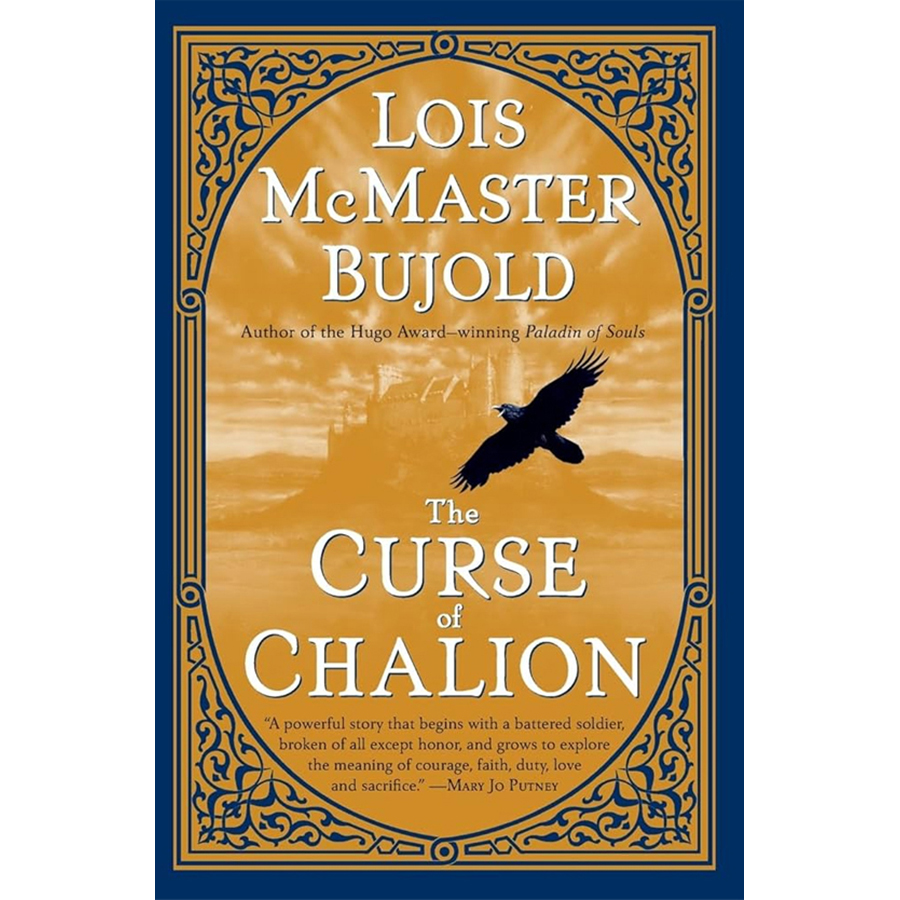
The Curse Of Chalion, Lois McMaster Bujold
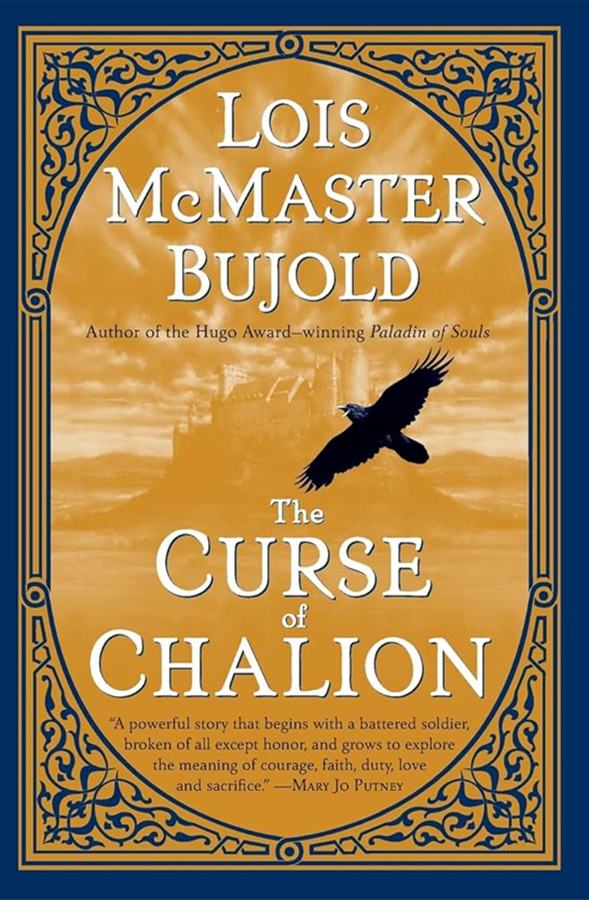
The Curse of Chalion is a quiet, resonant exploration of humane endurance and spiritual weight—an epic measured not in battles won, but in the moral labor of living well under constraint. It begins with a man returning from war physically broken and spiritually threadbare, hoping only for rest. Instead, he finds himself drawn into the orbit of a royal household burdened by unseen forces, where his reluctant sense of responsibility becomes the axis on which the story turns.
The novel’s power lies in its attention to interior cost. Bujold writes with a rare patience for the inner life, tracing how exhaustion, trauma, and faith shape a person’s choices. Cazaril’s journey is not one of heroic transformation but of endurance—the slow, difficult work of choosing decency when it would be easier to withdraw, compromise, or despair. His victories are quiet: acts of restraint, moments of clarity, decisions made with trembling resolve.
At its heart, the book is a meditation on responsibility, grace, and the possibility of living well within constraint. The gods of this world do not offer easy miracles; they ask for participation, sacrifice, and moral courage. Cazaril’s faith becomes less about belief and more about willingness—willingness to act, to bear burdens, to accept the spiritual weight of doing what must be done even when the cost is personal.
Bujold refuses to frame triumph as the point. The strength of the story comes from its focus on moral endurance rather than conquest, on the steady accumulation of choices that reveal who a person is. The supernatural elements deepen rather than overshadow this theme, illuminating how grace can be both a gift and a responsibility, and how the divine intersects with human frailty.
What remains is a portrait of a man navigating a world that asks more of him than he believes he has to give—and discovering, through quiet acts of courage, what it means to live well despite constraint. The result is a fantasy that finds its grandeur not in spectacle, but in the profound dignity of a life shaped by compassion, duty, and hard‑won grace.
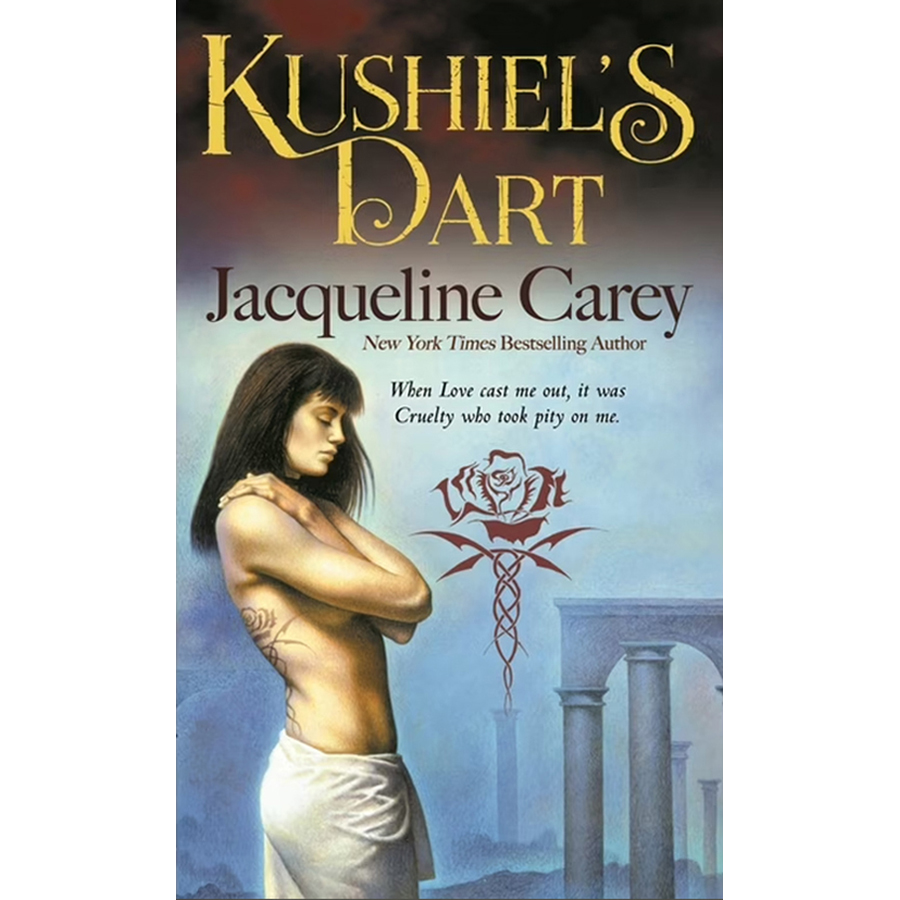
Kushiel's Dart, Jacqueline Cary
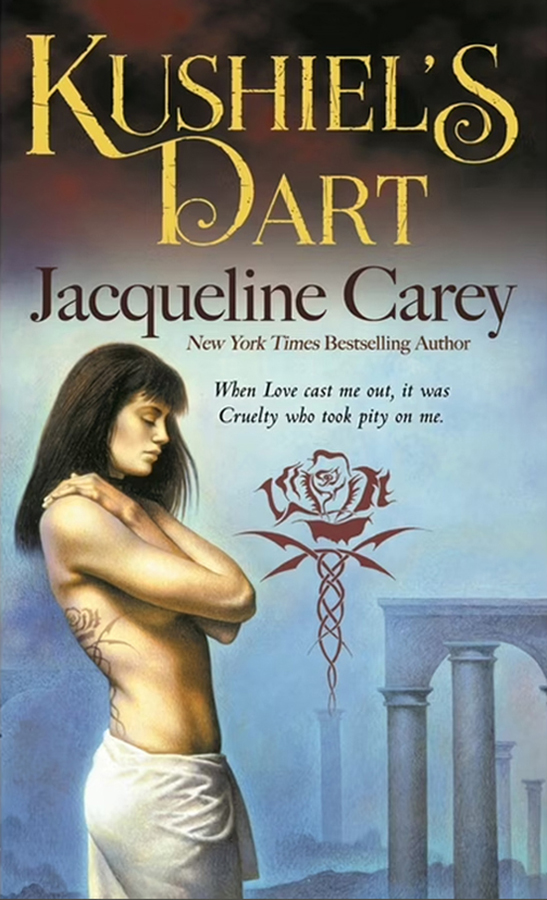
Kushiel’s Dart is an exploration of intimacy, agency, and obligation—an examination of how power operates not only in courts and kingdoms, but within the body, within desire, and within the bonds people choose or cannot escape. It is a story where the political becomes intimate and the intimate becomes political, each shaping the other with equal force.
Told through the life of Phèdre nó Delaunay—courtesan, spy, and sacred vessel—the novel becomes a study of agency shaped as much by relationship as by system. Trained to observe, interpret, and survive, Phèdre moves through spaces inaccessible to others, her position granting her extraordinary insight while binding her to obligations that shape every decision she makes. Her body is both her vulnerability and her power, a site where devotion, desire, and duty intersect.
Carey renders the interior cost of living in this world with remarkable clarity. Phèdre’s choices are never simple: each act of loyalty carries a price, each moment of pleasure is shadowed by danger, and each obligation—whether to her gods, her patrons, or her own sense of honor—demands something of her. The narrative’s strength lies not in triumph but in the steady, difficult work of navigating a life where agency is constantly negotiated, reclaimed, or surrendered.
The novel brings the political into the intimate, showing how empires rise and fall on the smallest gestures of trust, betrayal, and desire. Power is not abstract; it is embodied. It is felt. It is endured. Phèdre’s journey reveals how deeply systems of influence, faith, and hierarchy shape the self, and how a single person can resist or reshape those forces through courage, cunning, and compassion.
What emerges is a story of obligation transformed into purpose, of vulnerability wielded as strength, and of a woman who learns to live fully within the constraints of her world without letting those constraints define her. The result is a fantasy that finds its grandeur in the intimate, its heroism in endurance, and its power in the profound complexity of a life lived with open eyes.
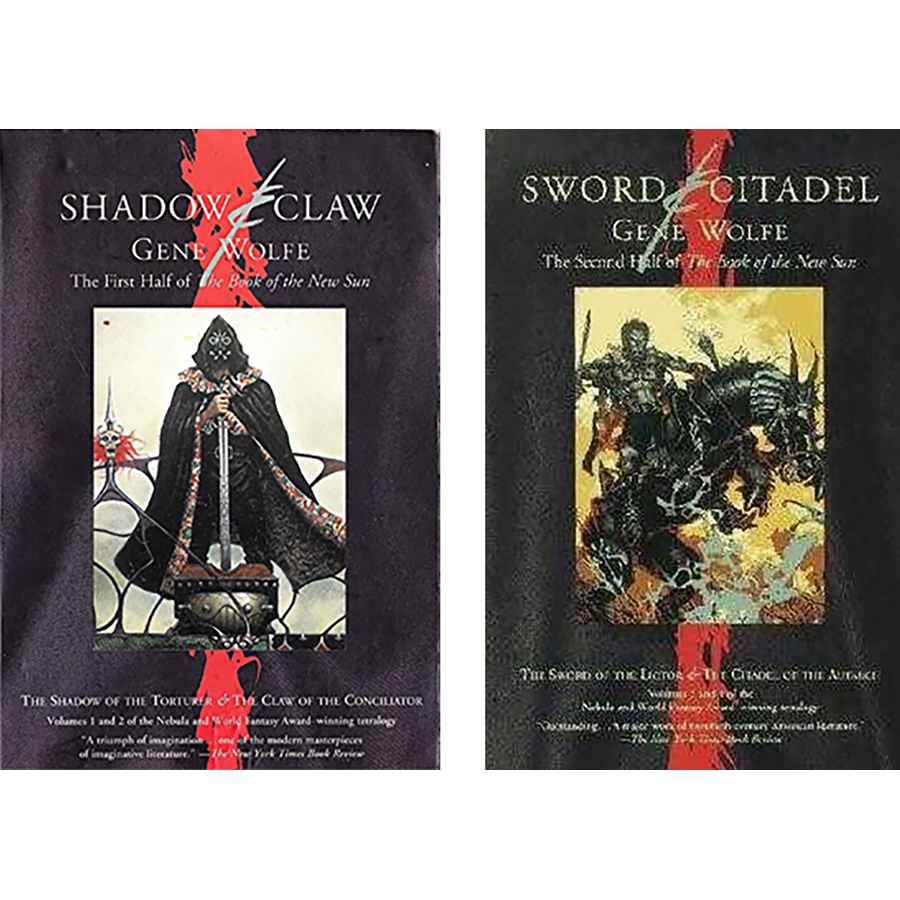
The Book Of The New Sun, Gene Wolfe
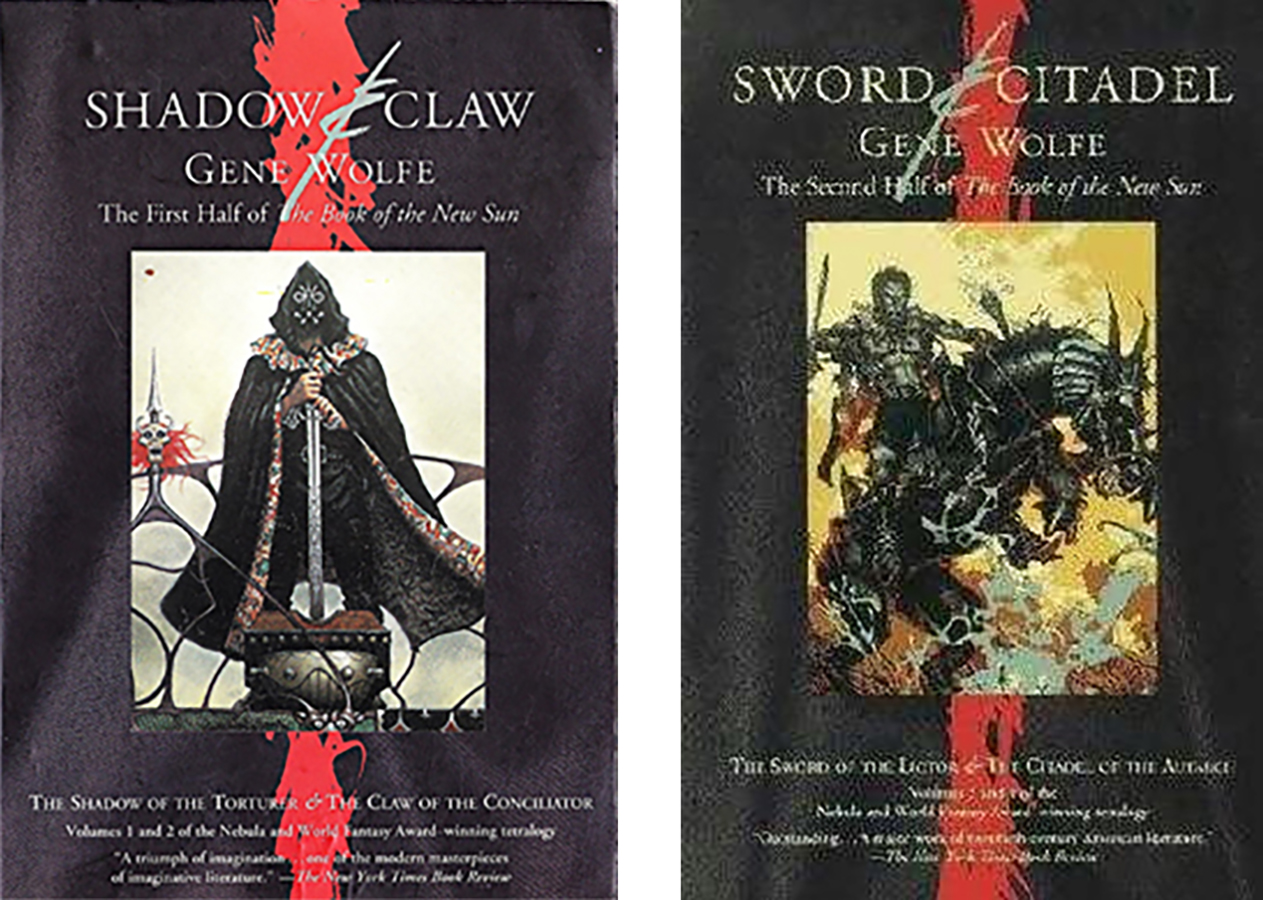
The Book of the New Sun stands as one of fantasy’s intellectual pillars—a work that destabilizes memory, truth, and identity until the reader becomes an active participant in assembling meaning. It refuses to hand over certainty. Instead, it invites attention, suspicion, and rereading, asking the reader to question not only what is true, but how truth is constructed.
At its core is Severian, an apprentice raised within a rigid, insular order, whose exile sets him wandering through a world he only partially understands. The story is told entirely in his voice, but Wolfe turns that intimacy into a puzzle: what Severian notices—and what he fails to notice—becomes as important as the events themselves. His memory is prodigious, yet unreliable; his honesty is sincere, yet incomplete. The instability of his identity is not a flaw but the engine of the narrative.
The novel becomes a study of memory and narrative authority, where meaning emerges slowly, shaped as much by what is withheld as by what is revealed. Wolfe never fully explains the world, its technologies, or its history. Instead, he embeds clues in language, implication, and omission. The reader must sift, infer, and doubt. The text demands participation: you are not simply reading Severian’s account—you are interrogating it.
This is a world where truth is layered, where the past is half‑remembered, where symbols and events echo across time, and where identity is something performed, forgotten, or reinvented. Severian’s journey is as much internal as external, a gradual confrontation with the limits of his own understanding. The instability of his self—shaped by trauma, training, pride, and genuine confusion—becomes a mirror for the instability of the world he inhabits.
The power of The Book of the New Sun lies in its refusal to resolve these uncertainties. It trusts the reader to navigate ambiguity, to question the narrator even when he seems trustworthy, and to assemble meaning from fragments. The result is a work that expands the boundaries of the genre—not through spectacle, but through the profound, unsettling experience of inhabiting a mind that cannot fully know itself.
What remains is a narrative that lingers in the gaps between memory and truth, a story that asks not for belief, but for attention—and rewards that attention with a world as enigmatic as it is unforgettable.
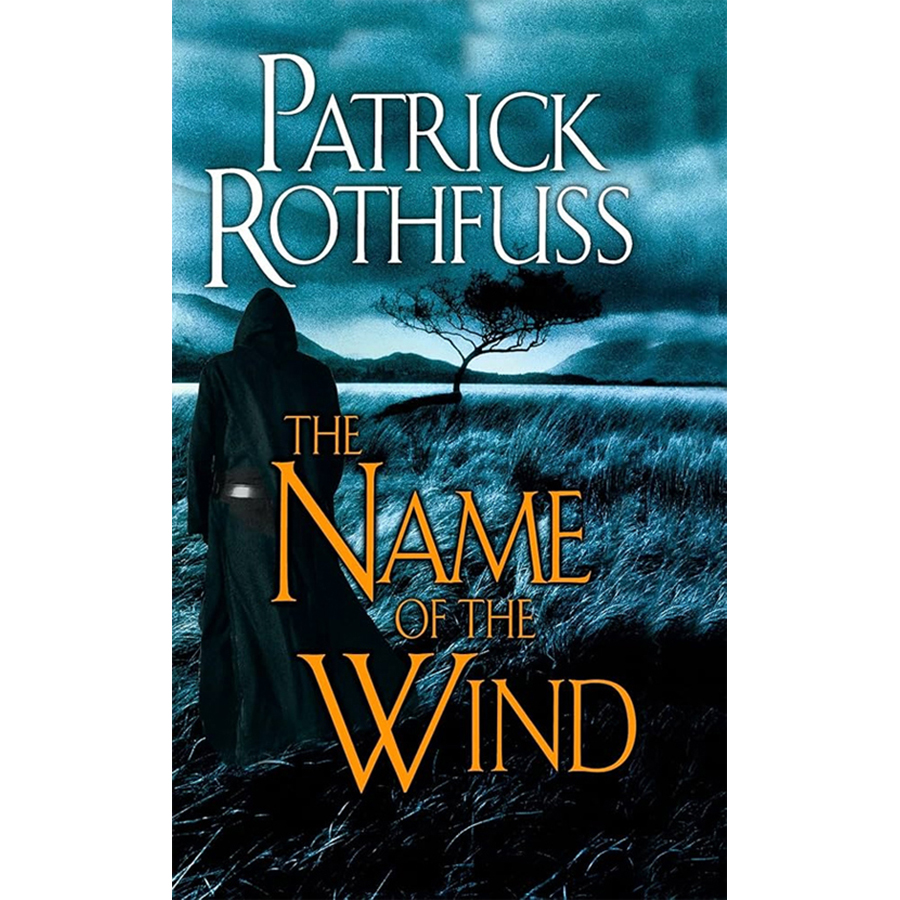
The Name Of The Wind, Patrick Rothfuss
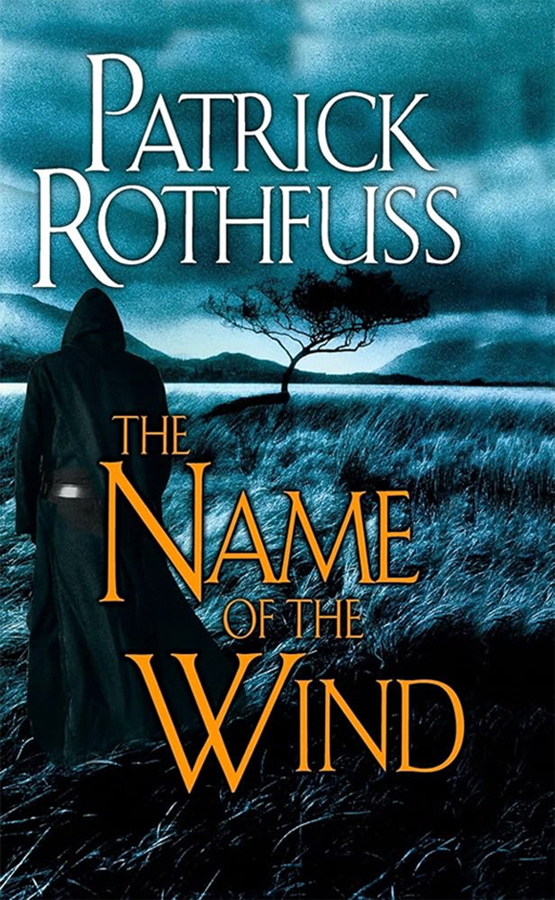
The Name of the Wind is a story about myth‑making—about how identity is constructed, performed, remembered, and distorted through narrative. It sits at the intersection of knowledge, truth, and self‑invention, showing how a life becomes a legend not through accuracy, but through repetition, interpretation, and desire.
Told by Kvothe himself, the novel becomes a study of identity shaped through storytelling. Kvothe is both the subject and the curator of his own myth, recounting his life with precision, flourish, and strategic omission. The allure of the tale lies in this instability: memory and performance begin to merge, and the reader is left to navigate the shifting space between who Kvothe was, who he believes he was, and who the world has decided he must be.
Rothfuss uses this structure to explore how identity forms over time, especially when that identity becomes something others begin to recognize—and believe in. Kvothe grows up hearing stories of heroes, only to slowly become one in the eyes of others, even as he remains painfully aware of the gap between the legend and the boy who lived it. Each retelling, each rumor, each embellished deed becomes another layer in the construction of a self that is both true and untrue.
The novel’s power lies in how it treats knowledge and truth as fluid, shaped by perspective and memory. Kvothe’s mastery of names, sympathy, and music mirrors his mastery of narrative: he understands that power comes from knowing how the world works—and from knowing how to tell the story of how it works. Meaning is never handed to the reader; it emerges through attention, inference, and the recognition that even the most honest narrator shapes the truth simply by choosing what to include.
What results is a narrative where myth is both a burden and a refuge, where the act of telling becomes an act of self‑creation, and where the truth of a life is found not in certainty but in the spaces between memory, performance, and belief. The Name of the Wind becomes a meditation on how stories make people—and how people, in turn, make their own stories.
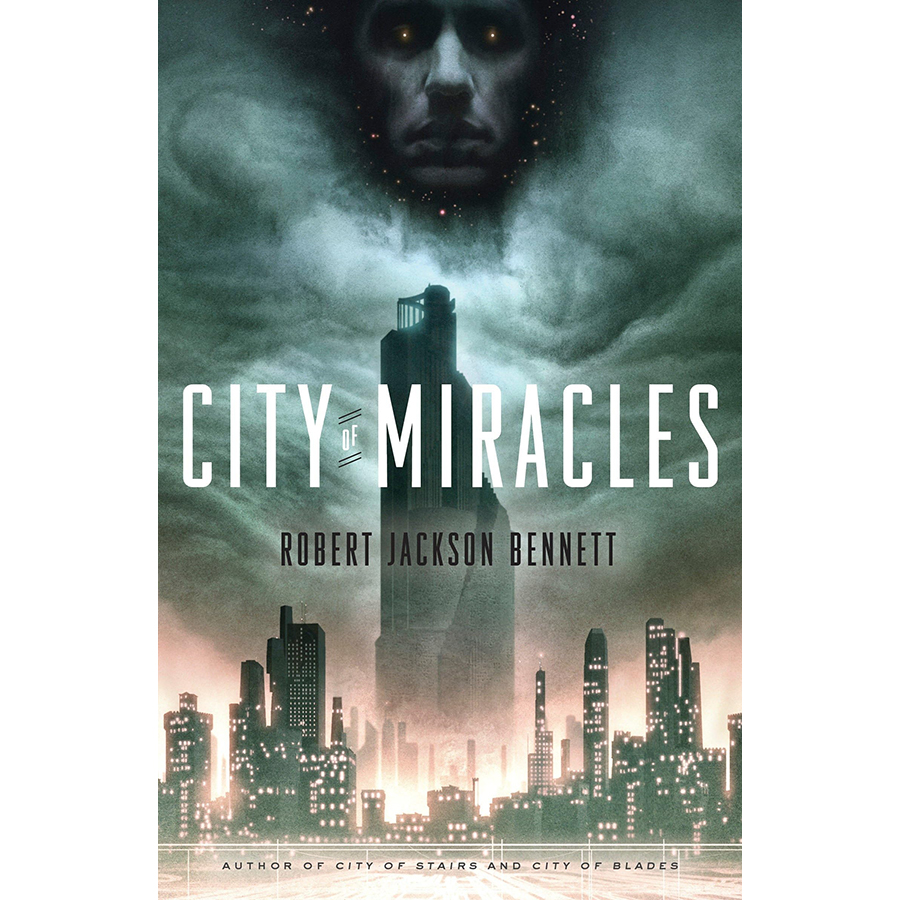
City Of Miracles, Robert Jackson Bennett
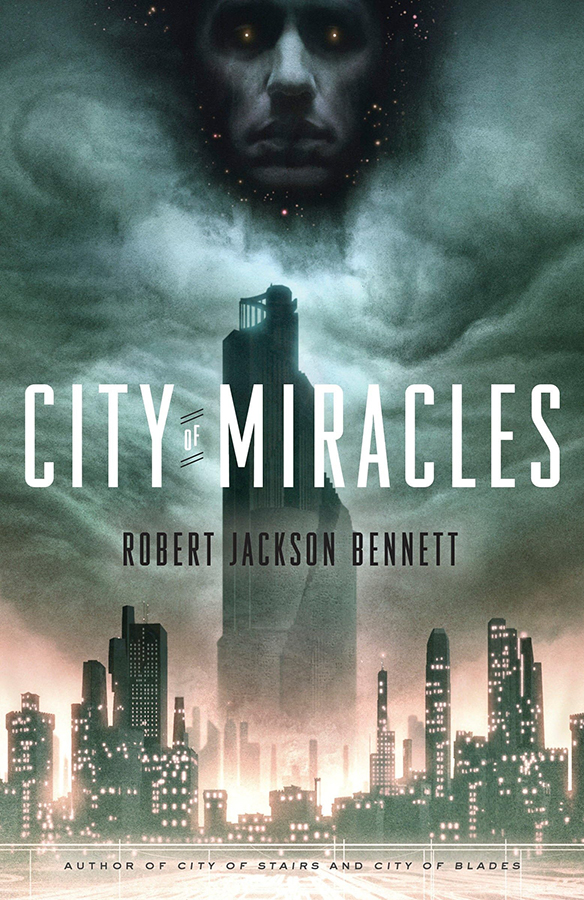
City of Miracles is a story about identity after power—about what remains when the gods have fallen, the miracles have faded, and the structures that once defined a life have collapsed. Where many epics end, this one begins. Set in the aftermath of divine upheaval and political realignment, the novel turns its gaze toward the quiet, painful work of continuing on when the world no longer resembles the one you were shaped to serve.
At its center is Sigrud, a figure forged in violence and loyalty, now left to navigate a life stripped of the certainties that once anchored him. The book becomes a fast‑paced revenge thriller with an emotional core, balancing action with moments of reflection that reveal the depth of what has been lost. Sigrud’s journey is driven by grief, obligation, and the remnants of belief—forces that persist even after the divine order that once gave them meaning has vanished.
The novel’s strength lies in its exploration of aftermath, perspective, and moral reflection. It asks what identity becomes when the roles that once defined it—warrior, follower, believer—are no longer viable. Sigrud is a man shaped by gods who are now gone, and the story traces the difficult process of understanding who he is without them. The narrative moves fluidly between action and introspection, revealing how the past continues to shape the present even when its foundations have crumbled.
This is a world where the collapse of divine power leaves behind questions rather than answers: What remains of faith when its object disappears? What remains of purpose when the cause is gone? What remains of a person when the world they were built for no longer exists? Bennett treats these questions with nuance, allowing the reader to feel the weight of Sigrud’s struggle without reducing it to despair.
Ultimately, City of Miracles is a story about continuation—about carrying forward when the framework that once gave meaning has vanished. It finds its power not in the return of miracles, but in the stubborn, human work of rebuilding identity from the ruins of belief.
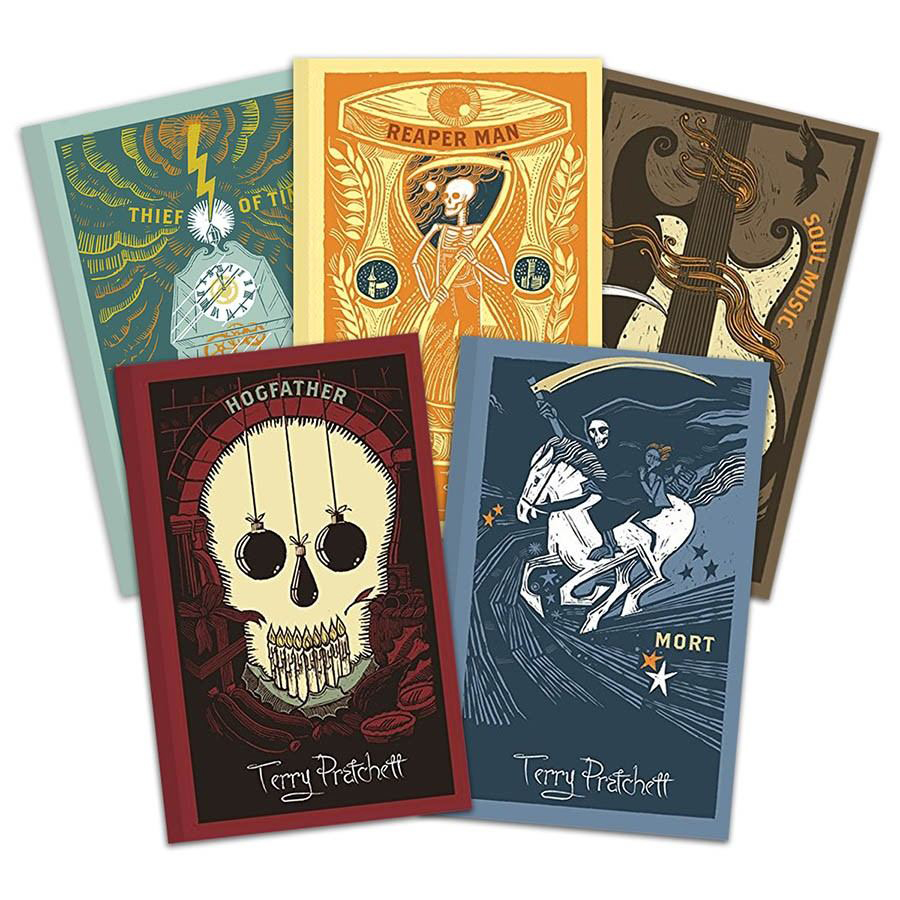
Discworld, "Death Cycle", Terry Pratchett
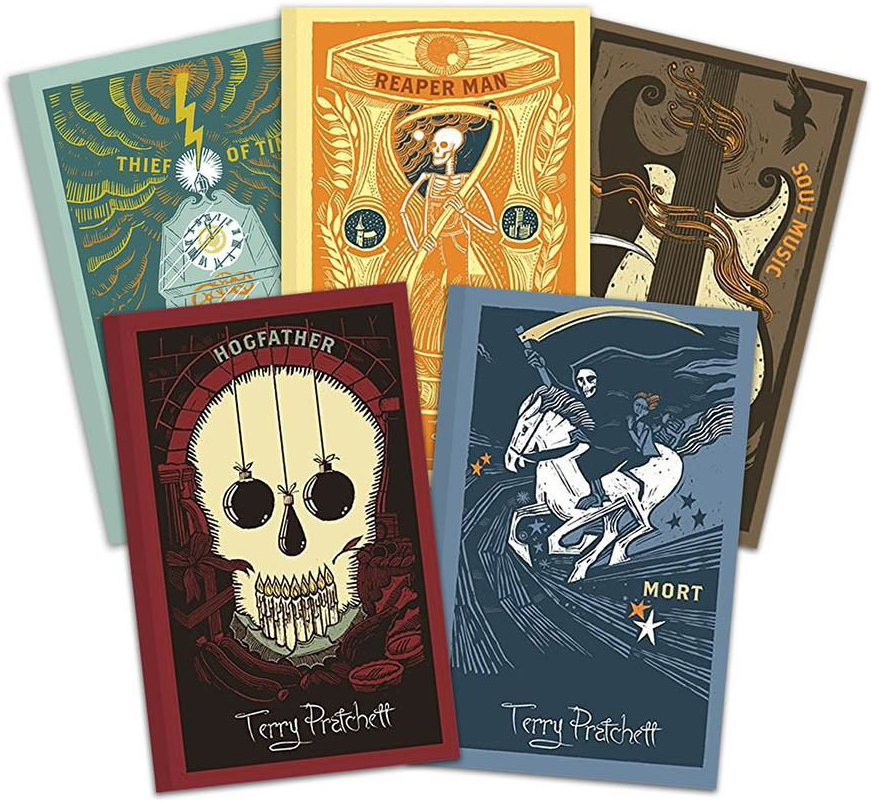
Terry Pratchett’s Discworld “Death Cycle” is a meditation on mortality, justice, and what it means to be human—told with a blend of clarity and absurdity that only Pratchett could manage. These novels follow Death himself as he steps outside his appointed role to observe, question, and occasionally intervene in the lives of mortals. Through him, Pratchett turns the ultimate inevitability into a lens for examining the small, ordinary choices that give life its shape.
Each book moves fluidly between humor and insight, using everyday situations—farm work, holidays, bureaucracy, adolescence—to explore larger questions about fairness, compassion, and the fragile dignity of being alive. The stories are laugh‑out‑loud funny, but the humor never obscures the moral weight beneath it. Instead, it sharpens it, allowing Pratchett to approach mortality and justice with both gentleness and precision.
Across the cycle, each novel focuses on a different facet of living: responsibility, belief, kindness, the value of work, the meaning of tradition, the fear of change. Death’s recurring presence provides continuity and perspective. He is both outsider and participant, learning—sometimes awkwardly, sometimes poignantly—what humans take for granted: joy, grief, hope, unfairness, and the stubborn insistence on meaning.
Pratchett’s great achievement is how he uses fantasy to illuminate the ordinary. Mortality becomes a way to talk about justice; justice becomes a way to talk about humanity. The result is a series that feels philosophical without ever becoming heavy, and heartfelt without ever becoming sentimental.
In the end, the Death Cycle is about the strange, beautiful business of being human—our flaws, our kindness, our absurdity—and about the quiet grace that comes from facing the inevitable with humor, courage, and a little borrowed wisdom from the one who sees it all.
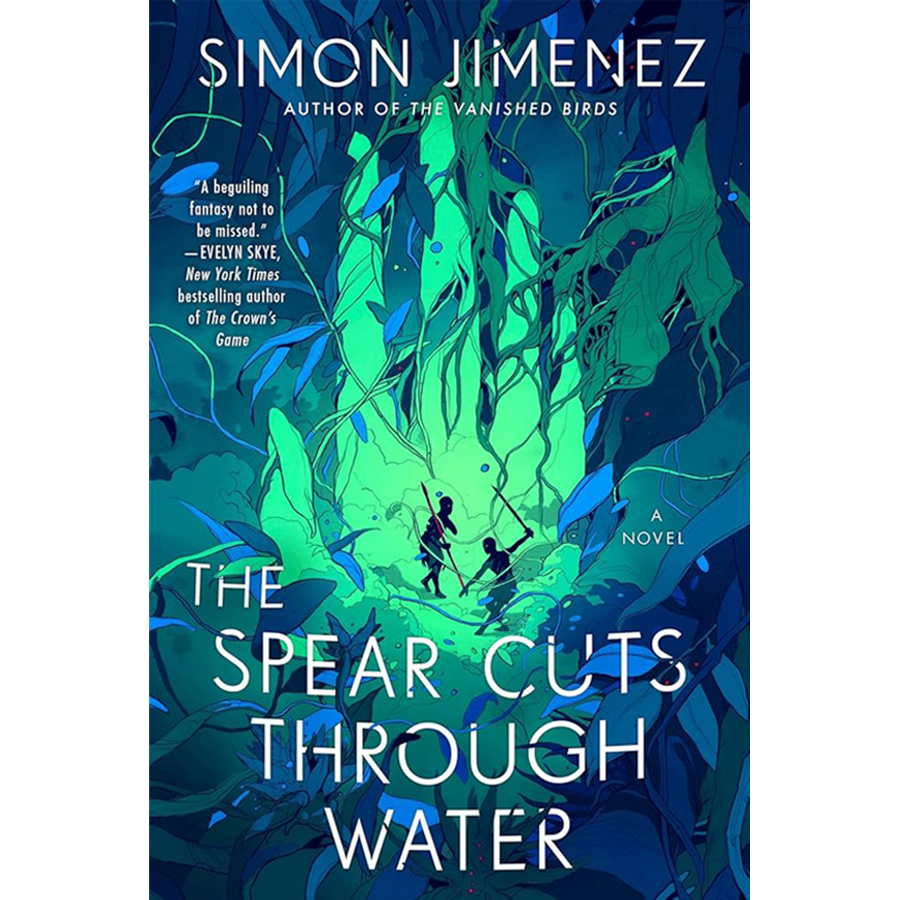
The Spear Cuts Through Water, Simon Jimenez
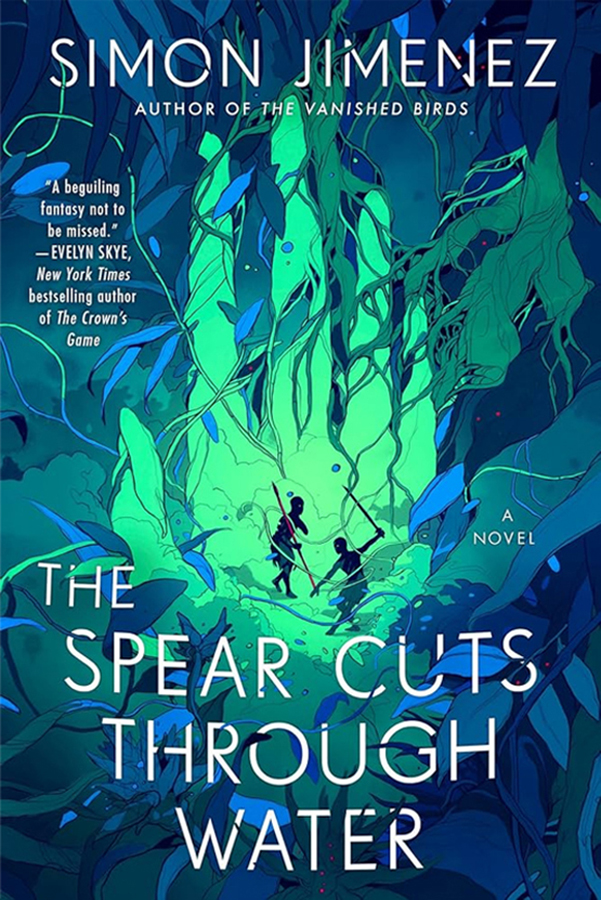
The Spear Cuts Through Water is a novel where story becomes inheritance, performance, and witness—where the act of telling is inseparable from the meaning being told. Formally inventive and emotionally immediate, it treats narrative not as a vessel for events but as the living medium through which memory, myth, and identity move. Story is something carried, repeated, reshaped; myth is something experienced rather than explained.
The novel situates the reader both inside and outside the story at once, folding time, perspective, and communal memory into a single, fluid structure. A journey unfolds across a mythic landscape, but the frame narrative—voices in a theater, a chorus of listeners and rememberers—reminds us that we are witnessing something retold, inherited, and alive. Structure becomes meaning; the telling becomes part of the tale.
Jimenez deepens this effect through prose that is poetically beautiful, with sentences that move like breath or tide. The cadence carries the reader forward, creating a rhythm that feels both intimate and ceremonial. The language itself becomes part of the storytelling tradition the novel evokes—lyrical, incantatory, and alive with motion.
Within this shifting form, the book explores story as performance and witness. Characters move through a world shaped by violence, love, and resistance, but the telling of their journey becomes just as important as the journey itself. What is remembered, what is forgotten, what is emphasized, and what is left in shadow all shape the reader’s understanding. Meaning emerges through attention—through inhabiting the gaps, echoes, and refrains.
As the narrative progresses, the act of telling becomes inseparable from what is being told, shaping how events are understood and how they will be remembered. The reader becomes a participant, piecing together myth and memory, feeling the weight of stories carried across generations.
Ultimately, The Spear Cuts Through Water is a meditation on how stories endure—how they hold grief and hope, how they transform those who tell them, and how they bind the living to the past. It is myth as experience, narrative as inheritance, and storytelling as a shared act of remembrance, rendered in prose whose beauty and cadence make the journey unforgettable.
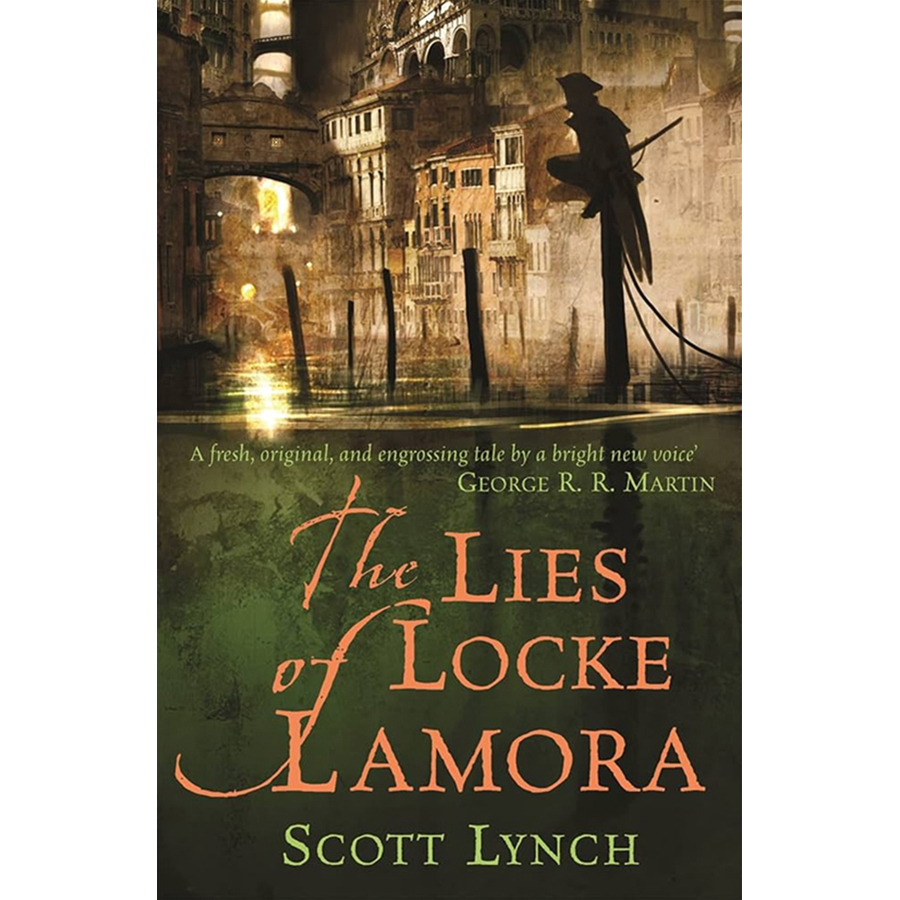
The Lies Of Locke Lamora, Scott Lynch
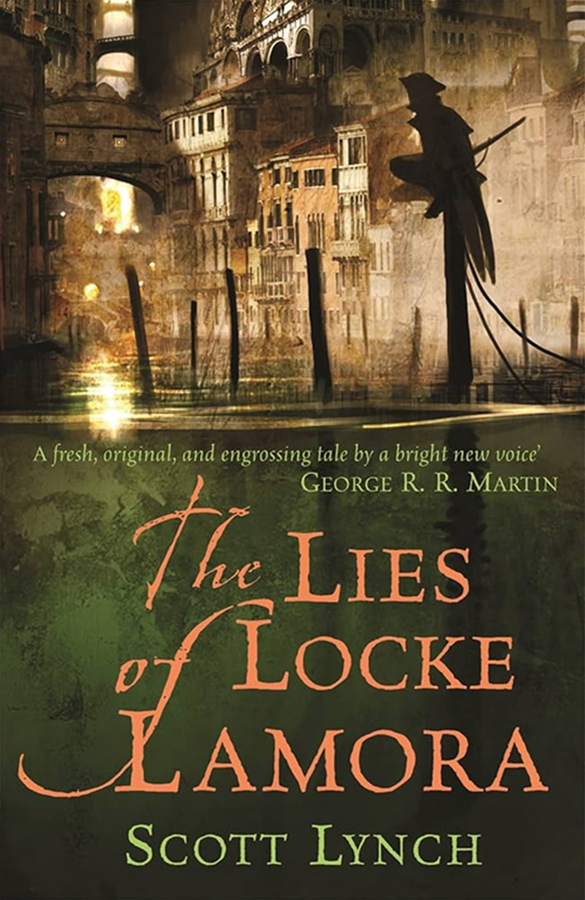
The Lies of Locke Lamora is a kinetic counterpoint to more reflective fantasy—a story driven by momentum, risk, and the fierce, fragile bonds of loyalty under pressure. It’s fast, clever, and wildly entertaining, but never careless about consequence. Beneath the swagger and spectacle lies a study of trust: how it forms, how it’s tested, and what it costs to keep it intact.
Set in Camorr, a city defined by hierarchy, corruption, and ruthless control, the novel follows the Gentleman Bastards, a crew of thieves executing increasingly intricate schemes. Their survival depends on precision and loyalty, both of which come under strain as shifting circumstances pull their plans apart. The narrative moves quickly—heists, reversals, improvisations—but remains grounded in the human texture of the relationships at its core.
Lynch balances movement and emotional weight, letting the joy and energy of a good story coexist with the reality that choices have consequences. The camaraderie among the Gentleman Bastards is warm, sharp, and lived‑in, which makes the pressures they face feel all the more acute. Trust becomes both their greatest strength and their greatest vulnerability.
At its heart, the novel is about loyalty under pressure—how people hold together when the world around them fractures, and what it means to keep faith with others when doing so becomes dangerous. The pace is relentless, but the emotional beats land with clarity: grief, anger, devotion, and the stubborn will to keep going even when the odds collapse.
What emerges is a story of survival shaped by friendship, ingenuity, and the risks people take for those they refuse to abandon. The Lies of Locke Lamora delivers the thrill of a caper with the depth of a character study, proving that momentum and meaning don’t have to be opposites—they can drive each other forward.
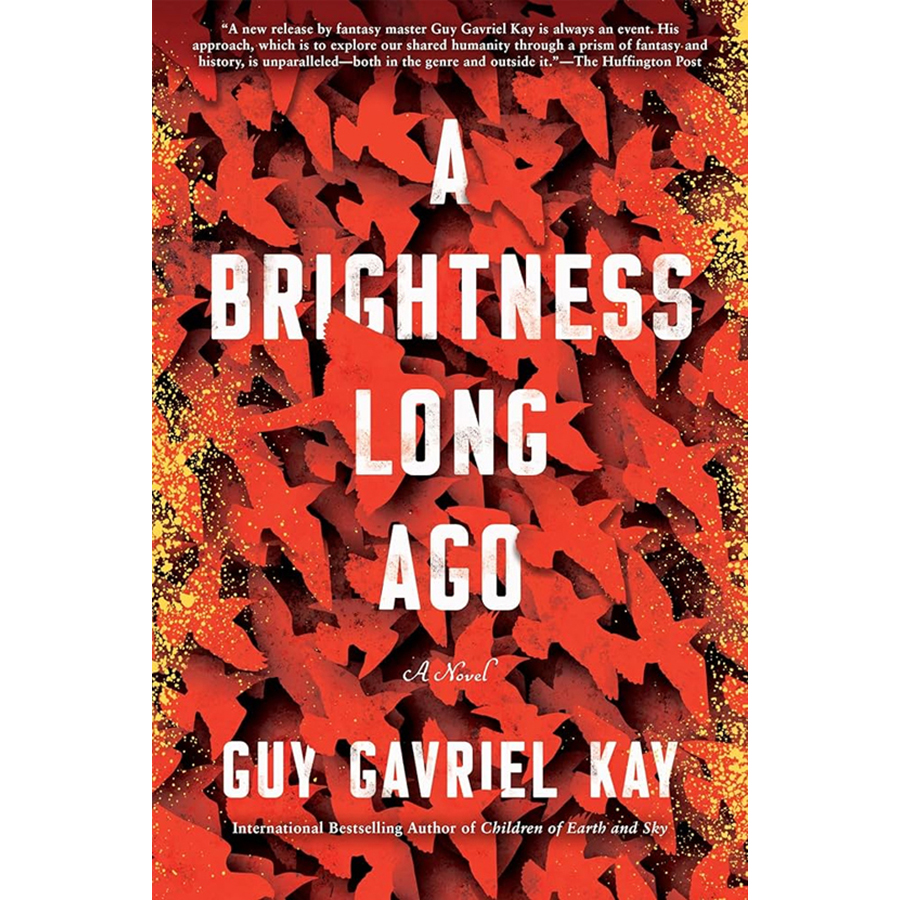
A Brightness Long Ago, Guy Gavriel Kay
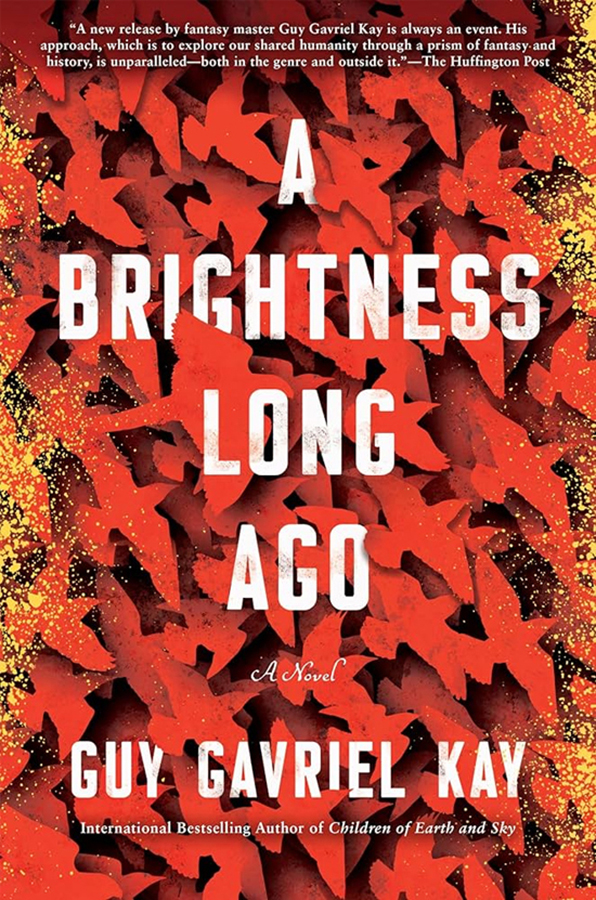
A Brightness Long Ago is a novel about memory as it settles—about reputation, legacy, and the long view of a life shaped as much by reflection as by action. Told by Danio Cerra, once a young man on the margins of power, the story follows his encounters with two legendary rivals—Folco d’Acorsi and Teobaldo Monticola di Remigio—whose choices and conflicts shape the era. Danio moves between their orbits, witnessing the brilliance and danger of those who bend history, while Adria Ripoli, a noblewoman defying her prescribed role, becomes another force whose actions echo far beyond their moment.
Kay explores how lives are reshaped over time, how the stories we tell about ourselves—and the stories others tell about us—become a kind of second existence. Reputation becomes its own life, drifting free of the person who inspired it, gathering interpretations, embellishments, and misunderstandings. The novel treats this process not as distortion, but as the natural evolution of memory and legacy.
At its center is a man who once moved at the edges of great figures and decisive moments, now looking back with clarity, humility, and a sense of wonder at the forces that shaped him. This is a book about the quiet ways meaning is constructed after the fact, about how small choices reverberate across years, and how the significance of a moment often becomes visible only in retrospect.
Kay’s prose—measured, luminous, and deeply humane—mirrors the novel’s themes. The language carries the reader with a calm, reflective cadence, inviting them to inhabit the narrator’s long view of his own life. The result is a story that feels both intimate and expansive, grounded in the personal while aware of the sweep of history.
Though the novel contains political maneuvering, danger, and moments of sharp action, its true power lies in its contemplation of memory, legacy, and the shaping of a life. It asks how we understand ourselves when the immediacy of youth has passed, and what remains when the heat of events cools into recollection.
Ultimately, A Brightness Long Ago is a meditation on the stories we inherit, the stories we live, and the stories we leave behind—an exploration of how a life becomes a legacy, and how memory turns experience into meaning.
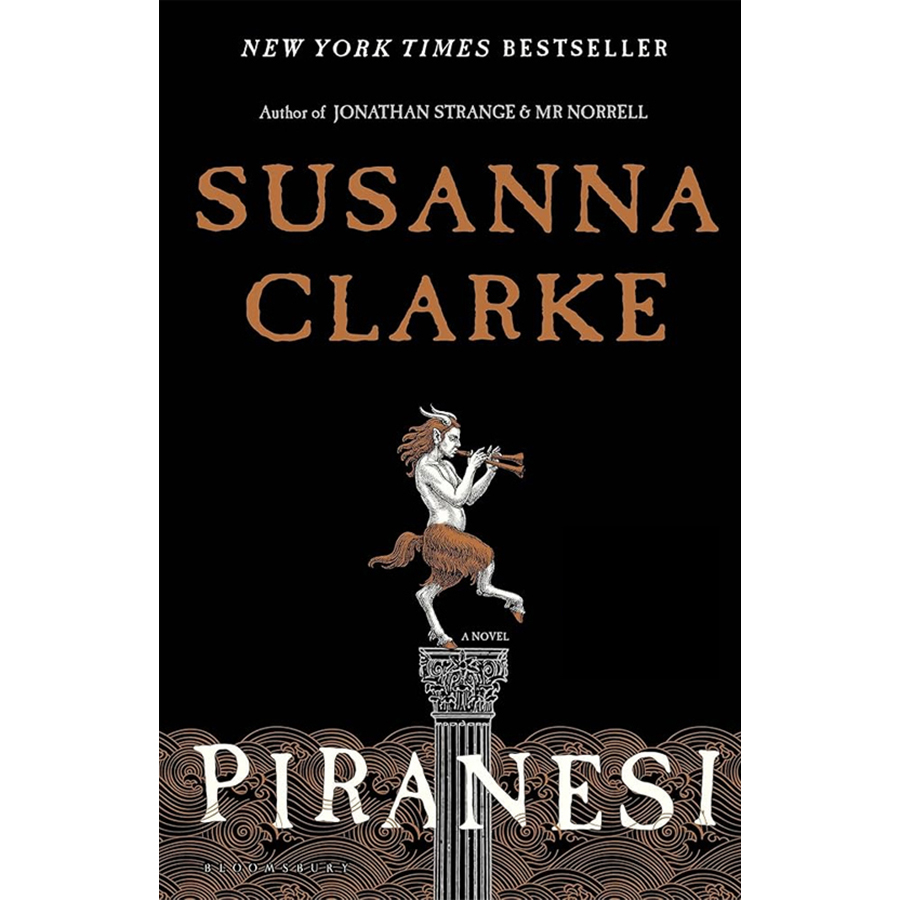
Piranesi, Susanna Clarke
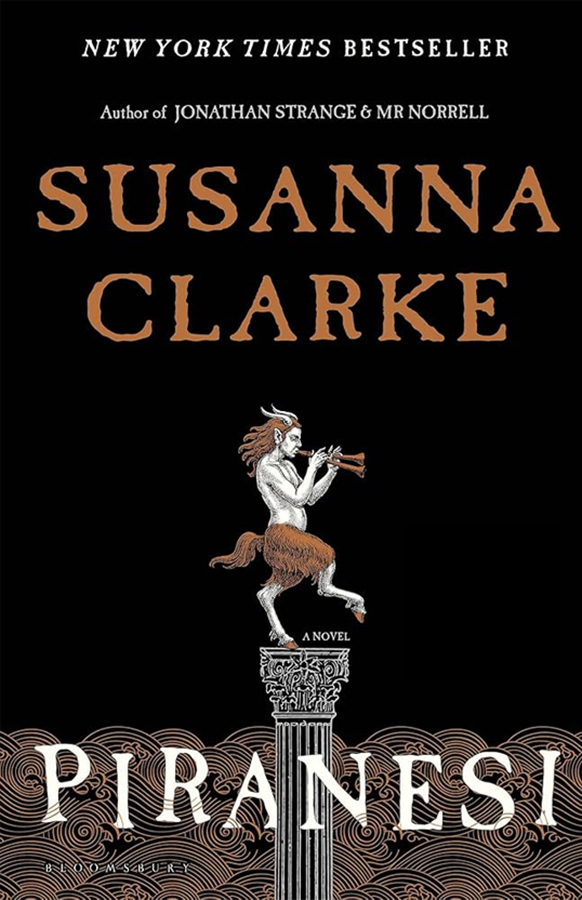
Piranesi is a meditation on sacred space, interior myth, and the stillness that emerges when meaning is discovered in solitude. Set within the vast House—endless halls, statues, and tides—the novel turns inward, exploring perception, memory, and belief with remarkable restraint. Its quietness is reverent rather than empty, a space where understanding accumulates slowly, like light shifting across stone.
Piranesi himself is a gentle, attentive inhabitant of this world, moving through the House with devotion and curiosity. His life is shaped by solitude—until the arrival of the Other, a visitor whose presence introduces the first fracture in Piranesi’s certainty. Their interactions become a point of change, subtle at first, then increasingly unsettling as the Other’s demands and evasions hint at truths Piranesi cannot yet name.
As additional figures begin to intrude upon the House, the pace of change accelerates, and the meaning of Piranesi’s world begins to shift. What once felt eternal becomes fragile; what once felt sacred becomes mysterious in new ways. Clarke lets this transformation unfold with quiet precision, allowing memory to surface in fragments and identity to reform in the spaces between them.
The prose—measured, luminous, and poetically clear—carries the reader with a cadence that mirrors the House itself: rhythmic, tidal, full of echoes. Meaning builds slowly, then illuminates all at once, revealing how deeply the House and Piranesi have shaped one another.
Ultimately, Piranesi is a novel about the sacredness of solitude, the stories we build inside ourselves, and the stillness that remains when the world is stripped back to its essentials. It resolves not in spectacle, but in a calm, resonant clarity—a note of calm illumination and a final stillness, a vision of meaning discovered not through certainty, but through wonder.